Home Blog Page 6

THE SUMMER GARDEN

Even after a long spring and early summer in the garden there’s still work to be done, writes Hannah Genders.

We’ve all been madly gardening in the past few months, especially people who were told to stay at home, and our gardens have been so important to us, not only to keep our sanity but also as a place to meet friends and family at a safe distance. As we go into the summer months here are a few ideas to keep you gardening and enjoying your garden.

Planting up pots
This year I haven’t planted any bedding, instead I’ve decided to plant up my pots with vegetables, herbs and a few annuals that are good for bees and butterflies.
This has given me some lovely broad beans from the red flowered broad bean that I am picking now and will then replant with some kale or winter veg.
I put in some pea sticks to hold the plants as they grew and added some well-rotted home-made compost on the top.
Remember to use a peat free compost; we still need to be mindful of saving the planet and more of us need to use and order peat free compost to get the nurseries to stock it. If you want to know more about this subject, the RHS have a good advice page, so I’ve added a link at the end of this article.
Herbs and salad crops also grow well in pots, the mixed salad leaves that you plant as seed and cut off every time you need them are ideal. Like the bag of mixed salad from the supermarket, but without the bag and fresh from your garden.
Chard comes in many colours and is an attractive plant and I love to cook with spinach, so the perpetual spinach is also a good one to consider growing.
All of these can be repeat sown throughout the summer and growing rocket in pots like this, it gets less flea beetle, which keeps the leaves looking healthier.
Mint is much better in a pot than in the ground as it will take over in a border, I grow three different kinds of mint and use them for cooking and fresh herbal drinks.
If you want flowers instead of edibles, try to order plants that can be re-used in the garden. Bulbs are an obvious choice if you got them in early, but also Achellias (yarrow) and Erysimum (Perennial wallflower) – both will give you a long flower display, they will grow quite happily in a pot and can then be planted out in the garden in early autumn.

Summer pruning
As a general rule, you can prune most shrubs and climbers after they have flowered, so there are a few plants that will benefit from a prune in the summer months.
Box plants can be trimmed if you want them to have a neat habit, but there are a couple of rules: don’t cut them too hard as you want air to circulate and make sure you clean the blades of your shears between pruning different plants to avoid box blight which is a fungal disease and will devastate many plants if it gets hold.
Ceanothus can be pruned in July, the evergreen Ceanothus don’t need pruning regularly but can be neatened up with a light prune now. The small Hebes like Hebe pinguifolia and Hebe rakaiensis, again, don’t need much pruning, but as they are mainly grown for the shape and leaf, trim off the dead flowers now and cut out any dead branches from the winter, but don’t cut them back too hard.
Another shrub I regularly forget to prune is Weigela, but it will flower much better if you do, so immediately after flowering, cut back the flowered stems to a side shoot that has produced flowers.
Old plants that have become very woody can be rejuvenated by completely taking to the ground one out of every three stems.
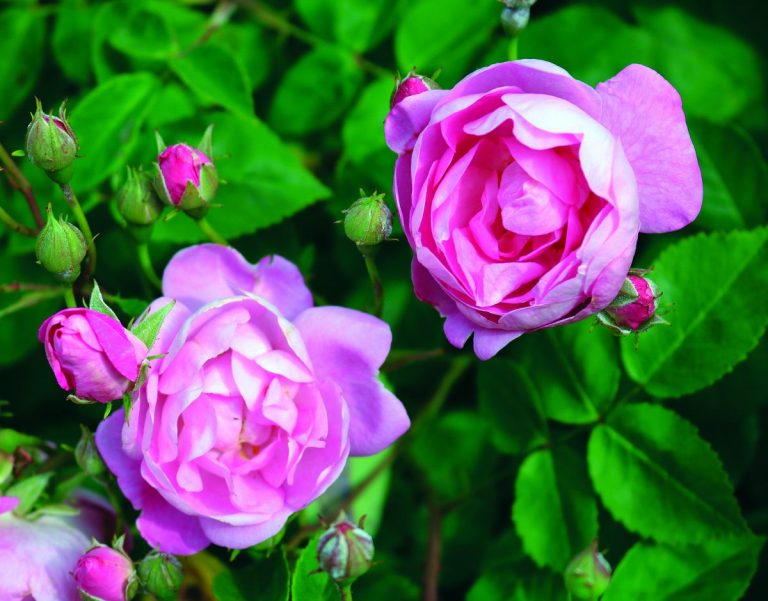
Roses that have finished flowering, will all benefit from being deadheaded regularly, this particularly applies to the gorgeous English roses that are damaged by rain.
The climbing plants that will benefit from a prune now are Wisteria. This will have flowered in spring and then produced long, wiry tendrils all over the plant. If you don’t want it to increase in size and want lots of flowers next year, remove this growth to within six leaves from where they join the main stem.
Honeysuckle which can easily get very woody should be pruned now, cut back to three or four leaves on this year’s growth, where you can see it has flowered, this pruning will encourage more flower for next year and less leaf growth.

The vegetable garden
I am continuing with my no-dig vegetable garden and I’ll write more about it in a future article. We are now at our second planting season, the beans and peas have cropped, so I will clear the ground without digging it over and plant up with kale, leeks and brassicas. The compost we added early in the year will continue to feed this second crop, although I have had a problem with couch grass in one bed so I will add some more cardboard and compost on top.

Watering in well is important to help the plants establish.

Tidying up
With all the time we have had on our hands, here is just one plea, don’t tidy up your garden too much. Most wildlife like a messy corner with a few rotting leaves, wood piles and stinging nettles, even in a small garden an untouched corner will benefit our native flora and fauna.
If you want to add some habitat, try a hedgehog box. As long as the hedgehog can roam from your garden to your neighbours you may get a visitor.

www.rhs.org.uk/advice See the peat-free argument.

NATURAL REACTION

Mary Green reflects on nature’s response to human behaviour . . .

This has been a strange spring and early summer in all ways. Not only have people’s habits been drastically changed by the lockdown, but we have had peculiar weather. It was the sunniest May ever – my solar panels made lots of electricity! It was unusually warm and here in particular extremely dry. All the muddy patches went and were replaced by dry ground.

Crops that were sown late because of the wet winter were soon beginning to suffer from lack of rain. I noticed around here that there was no oil-seed rape sown – it was too late by the time the fields dried out. Most arable fields were sown with wheat and barley but there were a few fields not reached.

However, as I write this in June it is at last raining properly, so with the warm weather returning it should be good for farms and gardens. People began walking in the countryside to an unprecedented degree, especially once the one-hour rule on exercise was lifted. I’ve never seen such a steady stream of walkers, especially families, going past my door on the footpath up the fields.

Walking further afield I found the same, with lots of people saying they had found footpaths they didn’t know existed even after living here a while. Mind you, there were some quiet footpaths too, but I think those are the ones that don’t figure prominently on the apps everyone seems to have nowadays!

It’s great to see people taking a new interest in the countryside, and lots have people have asked me about flowers and trees they see.

Wildlife has done well during this time, with a few exceptions. The native flowers and trees have been magnificent. All the blossoms have come early and stayed on the trees well in the gentle weather, and the fruit has set very well. This heavy June rain may affect some young fruit badly, but the renewed moisture in the soil will help them swell if they stay on the tree.

Wayside flowers had a wonderful boost in the spring when the public verges and grass round Alvechurch were not mown for a long time, and we saw the range of flowers that are there in the soil all the time, and their accompanying butterflies and bees. But normality has returned, and now they’ve all been mown down again.

If you get away into real countryside or along the canal, though, the flowers have been gorgeous. They haven’t suffered from the drought, except perhaps being a little smaller, because a natural environment can hold the moisture from earlier in the year. Where vegetation was cut, it has dried out horribly. In May I noticed this especially in the churchyard here. Where they hadn’t been able to mow, the graves were surrounded by ancient herbs like pignut and speedwell and sorrel. Sadly they were mostly mown down later.

In Barnt Green there is a lovely patch of (mostly) perennial wildflowers established by the parish council – I hope it survives.

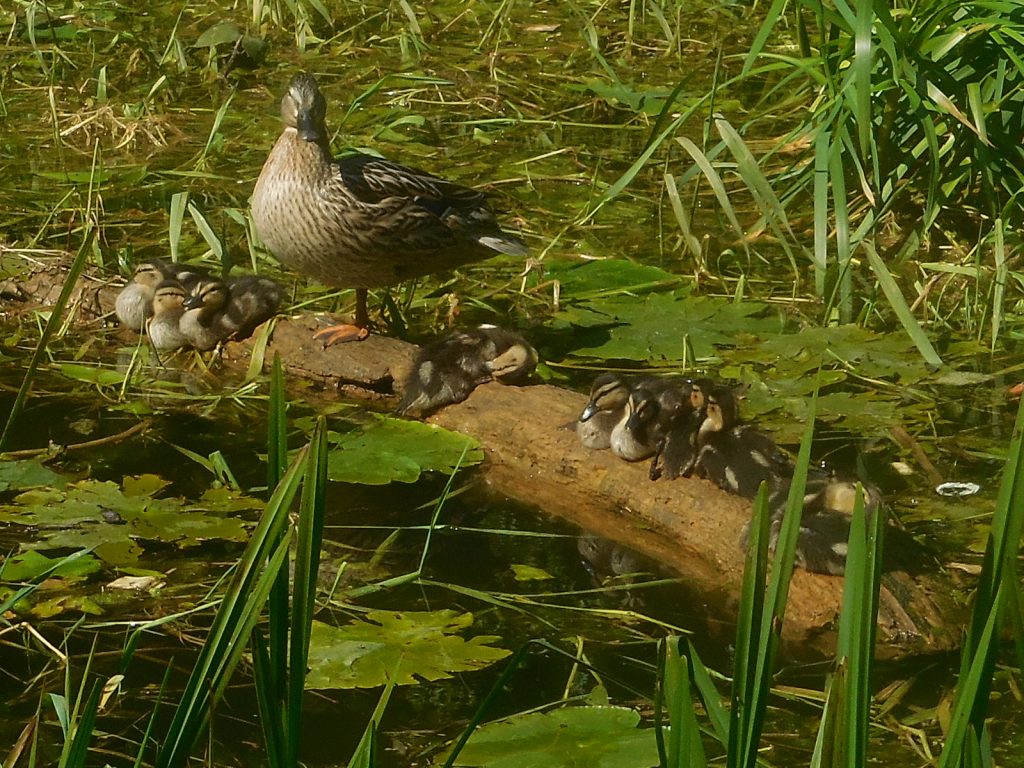
The exception to the general blooming was the water birds round here. There were loads of mallard ducklings, though the broods got smaller over the weeks, but hardly any goslings, moorhen chicks or cygnets. My suspicion is that increased pedestrian footfall led to the parent birds leaving the nest more, and increased predator activity, especially rats (due to lack of human debris to feed on) meant more young birds were taken.

It has been a bit harder under lockdown to buy local and fresh, if you’re in isolation, and the amount of plastic I’m using has grown horribly. I’m grateful for all the shops and neighbours who’ve kept me fed, but especially appreciated the fact that I ordered an organic veg box before all this happened, to replace the closed prison shop. I have just UK veggies, and it brings home to you how short things are in the “hungry gap” in March and April and the joy of new vegetables in May. Like so many people, I’m growing my own too and was especially pleased to find a local gardener selling little veg plants outside his house.

In this sunny weather and the unaccustomed lack of pollution, I’ve been thinking of the ancient elements of fire and air. The world was once seen to be made of four elements: earth, air, fire and water. It may seem odd that fire was one of the four, as we see it as being something humans have created – even as one of the things that makes us human. But the fire of the sun is an essential in the chain of nature. Many flowers open in the sun and close in the shade. This is especially true of the early spring ones – celandines, dandelions, daisies – and by summer most flowers stay open, expecting the sun. Butterflies and dragonflies fly and feed and mate in sunlight. The long hours of sun this year have brought them out.

Actual fire has an effect on wildlife as well, not always beneficial. Climate change has led to more wildfires than usual, especially in Australia earlier this year but starting again even here. Some fires in hot climates are “natural” and expected, and animals and plants can live with them and even thrive. But too much will destroy not only plants and small animals but the soil itself so it will take years for the habitat to come back. Unfortunately, burning has been used in the UK deliberately to control vegetation. It was once done on farms after harvest, but now people realise it was destructive to the habitat. It is still used on grouse moors and helps to create vast areas of moorland with nothing but heather and coarse grass. Some people find these areas beautiful, but they are near-deserts ecologically.

Fire only exists on this planet because of air – it needs oxygen. All living things need air, but it is also what helps things to decompose. Plants make the atmosphere breathable for us by absorbing carbon, as well as many pollutants, and producing oxygen. There is a wide recognition now that we are polluting our air and altering our climate because of what we put into the air and the way we treat plants. The combination of cutting down forests, ploughing land, draining peatlands and using weedkillers, with producing carbon especially from fossil fuels, has reduced oxygen in relation to carbon and heated up our atmosphere. Added to this there are specific pollutants in fossil fuels that make the air we breathe unhealthy. Plants and soil will absorb them, but not enough if we destroy them too. There was a welcome drop in pollution during lockdown.

We have known this for decades, of course. After the Clean Air acts of the 1960s cleaned up the most obvious smogs which I remember from my youth, people seemed to have forgotten about now invisible pollution. But we can change it, at the same time as reversing climate change. We need a combination of a massive reduction in producing carbon and all the particle pollutants that go with it – much of it from fossil fuels like coal, gas and petroleum – and an increase in carbon-absorbing trees, plants and soils, which will also absorb pollutants.

Some of things we need to do are difficult – cutting down on flights and individual road transport for example. But others can be much more achievable. Just managing the trees and hedges we already have properly would go a long way towards it. Instead of planting millions of trees in the wrong places and letting most of them die, we could start by looking after the trees, shrubs and herbal plants we already have – not digging the soil, and not mowing or hedge cutting during the growing season. Just enjoying a walk “in nature” is not enough unless we help it thrive.

We have heard the cuckoo in Withybed this year, and I heard lots of their host birds (whose nests they lay in) the reed warblers, at Bittell. Perhaps our habitat is improving!

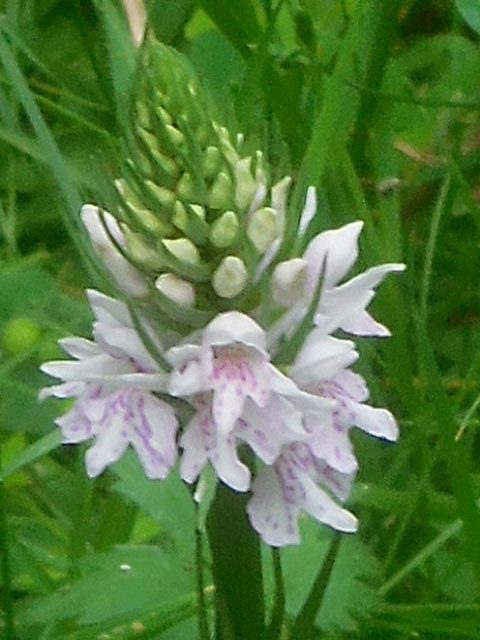
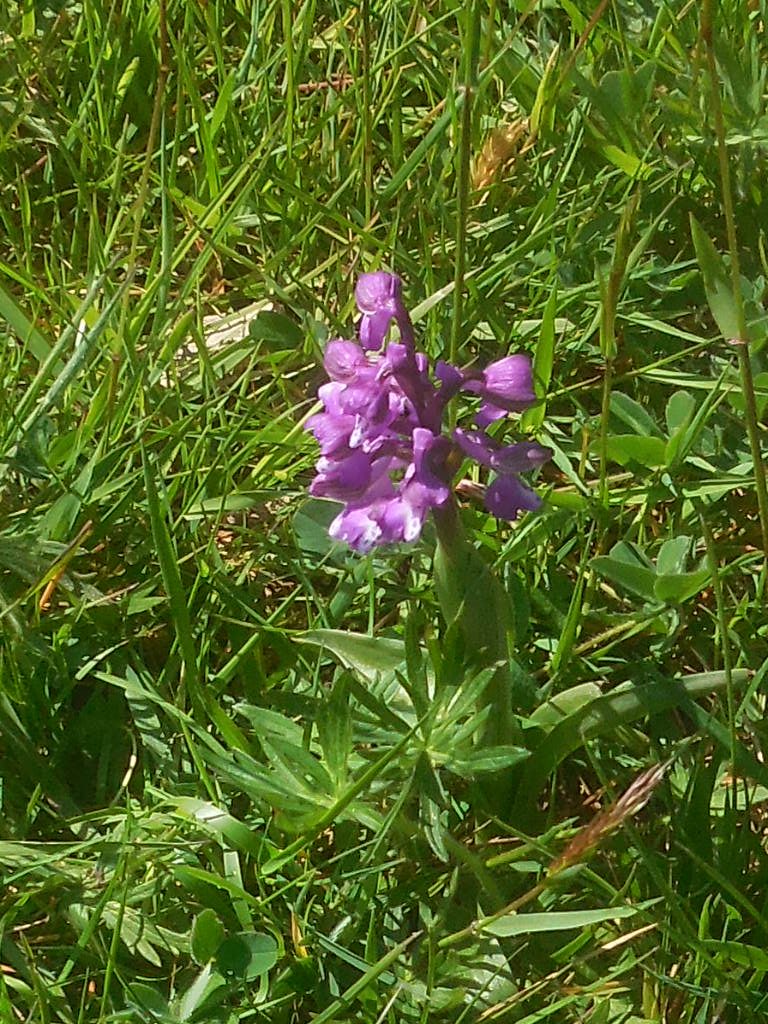
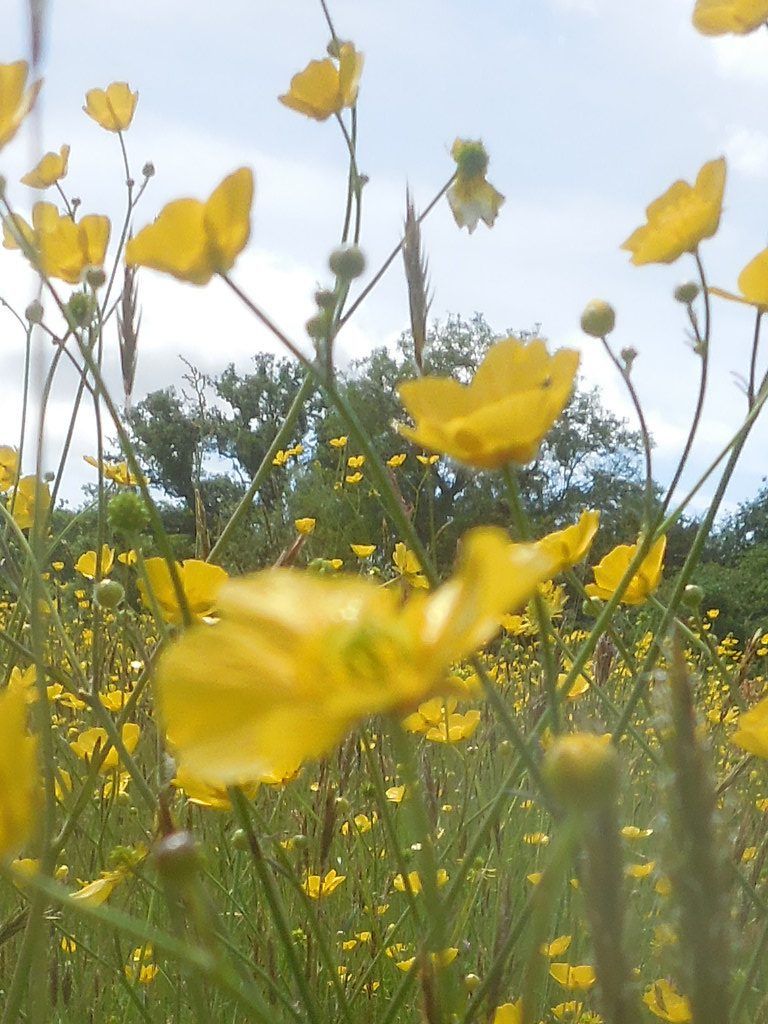
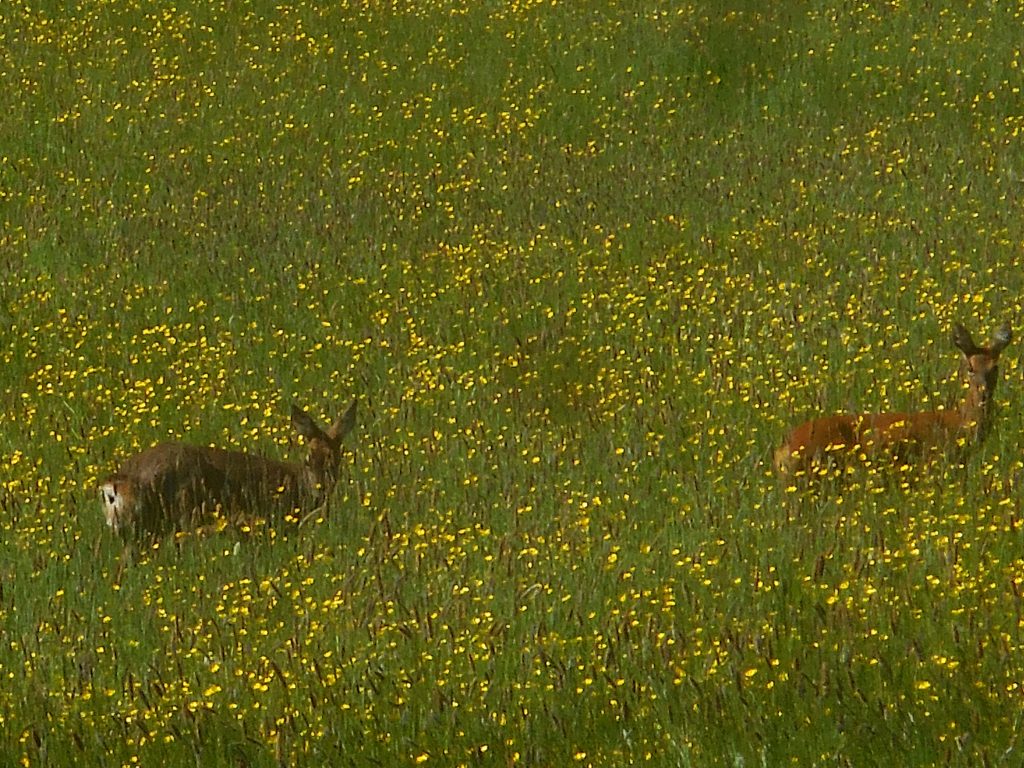
My pictures this time are all within walking distance over the last two months.

Meat . . . or veg?

Asparagus and boiled egg for a delicious seasonal breakfast.

Mary Green looks at the implications of what we eat . . .

It looks as if we are going into April without having any really cold winter. It has of course been unusually wet and the ground is sodden. However, most native wildlife can manage this, and the more trees and fully grown plants there are, the better the land absorbs water.
It’s not been especially warm either (unlike last February) so most flowers, insects and birds are arriving at the normal time, a good sign for their survival. My plum tree, though, started to blossom earlier than I have ever recorded it, so I just hope the frost doesn’t come back!
I promised to look more into the wider implications of meat eating this time. I eat four or five portions of meat a week – and at least 50 of vegetables or fruit. Both have implications for our environment.
There is evidence that eating too much meat harms the planet. Methane gas caused by farm animals’ flatulence contributes to global warming. Feeding animals on grain or soya uses up resources which we could grow to eat ourselves, and often causes deforestation in other countries. Growing less soya and grain to feed animals could slow down loss of habitat and provide more land for crops to feed humans directly.
However, sustainable pastoral farming is a rich habitat for wildlife, much better than arable farming. Methane is a relatively short-lived gas compared to carbon dioxide, and in moderate numbers grazing animals and their gases have always been here. Animals don’t have to be fed on grain – they can be grass-fed on flower-rich meadows, make use of uplands not suitable for direct food-growing, and even graze in woodland. Their manure is precious organic fertiliser.
There are farmers all over England signing up to pasture farming, some combining it with partial rewilding. The establishment of sustainable agriculture probably depends on including grazing animals. Intensive rearing of animals, though, is bound to be harmful, to habitat and to climate change.
What this means is that it’s not just the name of what you eat, but what it actually is and where it comes from that counts. So, if you are a meat eater you can cut down on the amount of meat. You can make sure it comes from a sustainable farm and is free range, fed on meadow grass, not grain or soya. This costs more, but not if you eat it less often. You can also avoid processed meat with chemicals in, which have been associated with health problems. Since having bowel cancer, I have stopped eating processed meats with nitrates and phosphates. You can get sausages and bacon made with just salt and spices, but they cost more and are not local.
You might find it difficult to balance health and environment. Chicken may be healthier than red meat but is likely to be fed on grain and soya so will have bad environmental effects. Chicken used to be a rare treat – in my childhood lots of people had it for Christmas. Chickens were kept in small numbers, fed out of doors on kitchen scraps and what they could forage. Similarly, many people kept a pig, again fed on scraps or foraging in woodland. They were not an environmental threat. Farmed intensively, they are a major threat.
For health and environment, you can eat as much seasonal vegetables and fruit as you like, buying them as locally as you can. It helps if they are grown organically, but, grown without pesticides and herbicides, they don’t have to be certified organic to be a better choice.
Trying to buy seasonally is hard here. At the local shop in winter I could buy two kinds of imported avocado but no seasonal sprouts, parsnips or swedes. You should be able to get local seasonal fruit and veg, including stored English apples and pears, even in winter.
The environmental impact of eating entirely vegan food is harder to know. You will want to eat complimentary proteins – grains, pulses and nuts. Almost all pulses – beans, peas, lentils and the multitude of soya products – are imported. Only two per cent of soy beans are certified not to come from cleared forest land.
We could grow far more pulses in Britain, and used to, so that is something we could change. Most nuts are imported. We used to harvest and grow nuts – another casualty of orchards disappearing. We could do again; especially filberts and cobnuts which are a form of hazel nut, and walnuts.
We could use more of our own grains, especially barley, oats and old varieties of wheat. We would have to grow them differently, though, as now most grain fields destroy the natural environment.
There are transport and packaging issues with most current “vegan foods.” If you want to buy basic foods like flour, nuts and beans without plastic, there is a shop in Bromsgrove that sells everything loose.
If we all went vegan, the implications for our environment would be huge. In Western Europe our biodiversity depends on land being grazed by animals. If we had no farm animals, we would need wild deer, cattle, horses, sheep and goats to maintain the balance. They would have to be controlled by a higher level predator: either us, culling them (in which case, why not eat them), or reintroduced lynx, wolves and bears if we “rewild”.
We can’t live and farm our plant foods with these wild carnivores around us, so we would have to separate out the wild areas from where we lived and farmed. I don’t like this model, but it has been suggested as a solution. I think it would separate people from nature even more than we are now.
Some of the other things you eat will undoubtedly be processed and imported, but you can keep this to a minimum and look out for things with only a few ingredients. Remember the old adage – don’t eat anything your grandmother wouldn’t recognise as food. Try to avoid palm oil, which is rarely sustainable, or any ingredient you wouldn’t use yourself when cooking from scratch.
One thing which there is no argument about is that refined sugar is not good for you. It was never a natural part of human diet, and we don’t need it. It’s been calculated that getting rid of all sugar plantations would mean people need never again be short of drinking water. Huge areas of land could become biodiverse again. People would be healthier. However, it wouldn’t be any good if we used artificial sweeteners instead, as these cause other problems.
There are lots of natural ways of eating sugars in fruit and vegetables. And 100 per cent cocoa chocolate is wonderful – you can even buy it in Alvechurch! You can make a start by just noticing how much sugar they put in manufactured savoury foods, from baked beans to sausages, and so-called healthy foods like probiotic yoghurts and plant milks. However, getting rid of sugar would have a huge effect on our culture. A sugar tax on drinks is one thing but asking the WI not to make cakes is another!
If you are trying to lower your carbon footprint by not using a car, it’s hard to buy food these days, with the demise of local shops. Just having someone else deliver it doesn’t really help. I was remembering how we used to eat when I was young. There was a local baker, a grocer, a butcher and a greengrocer/fishmonger who each delivered once a week, so there were only four delivery vans a week in our village, except of course the daily post and milk.
Nowadays there seem to be so many deliveries that our little dead-end road is always busy. I guess the way to minimise the effects of driving on your food choices is to buy as locally as you can and plan ahead!
There is a real opportunity now to change our farming practices and with them our eating habits and the way we see our environment. Cutting down on meat and only eating sustainably-reared meat would improve our environment, especially biodiversity, and our health.
Growing more of our own plant foods, including grains, nuts and pulses as well as vegetables and fruit, would benefit us all. But it would mean a huge change in our farming practices. Planting more trees means integrating them into our farming as well. It’s all possible – I’m just not sure if we will.
Perhaps all countries will agree to take action. We can but hope. In our own way we can look at our food choices and their impact on the world. And carry on enjoying both the food and the wonderful environment we live in.

To remind you, here are some photographs of this environment around us here in April.

Parish grants £1,500 to Alvechurch Cares

Alvechurch Parish council last night agreed to grant £1,500 to help the Alvechurch Cares initiative provide support to vulnerable villagers in the parish during the coronavirus crisis.
The monthly council meeting, held via digital video conferencing for the first time, voted unanimously to support Alvechurch Cares, which as of yesterday had already taken calls from 55 people asking for help.
There had been a fantastic response from villagers offering to help, with 147 people already registered as potential volunteers, nine of whom were already able to go out to help, with four more “in the pipeline”.
Kirsty Cooke, one of the organisers of Alvechurch Cares, told councillors: “The phone line was set up last Wednesday. People can access the service in three ways; via phone, email or Facebook.

“Telephone is by far the most popular way of contacting us and people are asking for two main areas: prescription collection and food collection.”
Kirsty added: “Our biggest issue is that we are coming across people who tell us they have no physical cash in their homes to pay for services. They are able to pay in some way, but not in cash.
“We have taken a couple of calls from people who are not able to pay the shopper.”
District councillor Annette English, who is one of the Alvechurch Care organisers, said: “There are issues around how we go about paying. We have had two occasions where volunteers have done the shopping and then they go to the door and the person has said they don’t have any cash.”
Kirsty added that ideally electronic payments could be taken, at some point, because of concerns that the virus could be carried on banknotes and it also removed other questions that could arise from using cash.
The parish council decided that a £1,500 grant, to go into a new bank account, would help to smooth the cashflow problems before they prevented help reaching vulnerable people in the parish.
Alvechurch Cares is already being run with the backing of the parish council, whose insurers have agreed to cover the volunteers, the meeting heard.
It means all literature carries the parish council logo, and Kirsty said: “The fact it is under the banner of the parish council is a very positive thing. Because it has parish council support, people trust the services.”
Parish Chairman Marc Worrall said: “I am delighted to hear that the parish council is seen as a trusted friend.
“I hope this grant will give clarity and comfort to the volunteers who are out there such good work.”

Contact Alvechurch Cares by the methods below:

How can we slow down the Swan Street morons?

Dear Editor – Is there anything that can be done about the speeding after the pinch-point heading towards Redditch, on Swan Street in Alvechurch?

It is getting worse, without doubt. Most cars are now speeding past here way above the speed limit and the noise from their engine revs as they impatiently go up the incline is so loud we often have to increase the volume on the TV.

A while ago a motorbike sped through in the early hours, heading into the village doing what must’ve been pushing 70mph. It woke most of us along this stretch to the point that it was being talked about in the Swan pub a day or so later! 
I wrote to Worcestershire Highways who replied, basically accusing us all of imagining the whole thing:
“. . .recent speed surveys in the village have shown there is not a speeding issue, however little can be done for individuals who deliberately drive at speed during the early hours. Speed enforcement is a matter for the Police.” 

They omitted to address the daytime hours I’d mentioned– just like the moron who drove past here a short while ago at about 50mph+ at 4.45pm on a Sunday afternoon.
What would we need to do to have a speed table, which creates less engine revving than bumps and, I’ve read, can be used as an “informal” crossing for pedestrians (like the pinch-point is), or another pinch-point installed? 

A camera would be the best deterrent but the pavement may be too narrow to place one. I wish we could make it a toll road for non-residents so people would be more likely to use the bypass, which seems to be barely used!
Oh, and there goes another moron!

Jane, Swan Street, Alvechurch

I’m sorry, but the Village Hall can’t deliver a Post Office

Dear Editor – I am writing in response to the letter from Mrs M R Gardner that appeared in last month’s Village, in which she suggests that the Alvechurch Village Hall Committee Room could be converted into a post office. 
Firstly, I need to correct a misconception in the letter – the village hall is not in fact owned or run by the council. It is a registered charity and is run by a Management Committee of trustees (of which I am Chairman) on behalf of its users and the wider community. All trustees are unpaid volunteers who give up their time to help manage and maintain a venue that we think is still one of the hubs of the village – hosting as we do many local groups. 
I understand Mrs Gardner’s desire to find a space for a new post office in the village. But the committee room is already in regular use for all sorts of gatherings (not just meetings!) by local clubs and societies, as well as by private hirers and as part of events taking place in the main hall. Not only would it be impractical for the hall to give up that space, it would be contrary to the hall’s written constitution, which compels us to maintain it for community use. 
I’m sorry to read that Mrs Gardner thinks the Committee Room is an uncomfortable and uninviting place.  I don’t know when she last visited, but we have tried hard over recent years to improve the environment in that room, and the rest of the hall.  I hope that she might visit us again, and perhaps revise her opinion. 
But if Mrs Gardner – or anyone else – has ideas for further improvements or would like to provide vital help in the running of the hall, we can be contacted at avh.committee@gmail.com. And anyone who might like to hire the Committee Room, or the Main Hall, can call our Hall Manager, Julie Warrender, on 07455 892909, or find further information at www.alvechurchvillagehall.co.uk
Chris Davies
Chairman, Alvechurch Village Hall Management Committee

Cofton is no longer a village

Dear Editor – I’m afraid Steve and Judy Hewitt (Village Views, March 2020) aren’t the only Cofton residents saying “Spend our money on Cofton”.
The new village hall (which isn’t actually in a village) supposedly cost an estimated £1 million to build as an empty shell. A fair few residents have raised concerns about why, when grants are asked for and awarded, that decision should be final. Yet in recent parish council meetings they awarded a top-up to the full grant originally asked for. No public discussion, no consultation.
I urge anyone to read Cofton Hackett Parish Council’s agendas of meetings on their website – clearly you can see that the trustees seem to see the parish council as a endless money pit.
The parish council and trustees of the new hall must be independent of each other. . . Cofton Hackett is no longer a village.
Chris Taylor

Pictures give tacit consent to offence

Dear Editor – I was perturbed to see the opening page of the March edition of The Village magazine devoted to Morris dancers in blackface. The internet and Morris dancers themselves provide no real explanation for the use of blackface. It is known to cause offence, due to racial appropriation. Thereby, considering these two factors, it is not a logical fallacy to assume that these Morris dancers are proactively offending out of sheer stubbornness.
In our society, blackface is considered an anachronism and thereby, should not feature in your magazine. It appears to be a tacit concession on the part of the magazine that blackface is acceptable. It is entirely unacceptable. I remind readers of the outrage over the blacking-up of Morris dancers in Birmingham city centre in 2017.
George Roberts, Barnt Green

Why are the trees being felled?

Dear Editor – As daily walkers to the Lickey Country Park, we are surprised at the drastic cutting down of hundreds of healthy looking trees across the park. On enquiring of the reason, we were told that it is to return the area to how it was many years ago, which was heathland; another reason was disease. Another reason was that two agencies were involved (DEFRA and English Nature) – complicated or what? Can we have a consensus on the correct reason?
The recent rainfall has turned the park into many small streams where there used to be many trees – which, in my opinion, prevented this happening. Remember the blame game regarding Marlbook Tip – one department blaming the other, only brought to light when it was too late. Will this be the case here?
Graham Moseley, Cofton Hackett 

It’s for bees, not dogs

Dear Editor – I have just come in after transplanting some snowdrops, Scillas, Aconites and Primroses from my garden into the Pollinators Patch in Barnt Green to be early pollinators on what was a rather barren patch of land.
I am trying to plant and encourage pollinators to create the vision that I had of a corridor from Alvechurch through Barnt Green, Cofton to Lickey (which you wrote about in The Village View in February.
I found that some dog owners must let their dog off the lead to go to the back of the patch to do its business – this was both messy and smelly for me to clear up. Please do not let your dogs off the lead to go on this patch of land; there is a rope fence to mark it as “off limits”.

Rachel Banner, Barnt Green