A group of villagers is hoping to launch a market garden to provide people with fresh, locally grown organic fruit and vegetables.
Incredible Edible Alvechurch, which has already successfully pioneered a number of community vegetable plots around the village, is looking for feedback and ideas.
More than anything, however, they need a piece of land, ideally around two acres in an accessible place within the village envelope.
“This idea is at the earliest stage, and we would like to see who might be interested in supporting this venture,” said a spokesman.
The aim is to “encourage the revival of local food production in our local area” and would involve installing a community composting bay and creating a central store of household and garden equipment for community use.
The life-sized Nativity scene in the porch of St Michael’s Church, Cofton Hackett, in December 2020.
The beautiful church of St Michael’s, Cofton Hackett, celebrated Christmas with a life size nativity scene in the church porch (above).
The figures and scenery were created by Pam Cooper, Sue Moir and her friend Polly Allen, with other parish members providing lighting, crib, stars, angels and straw and helping to put the scene into place.
It was enjoyed by families from all around the parish, walkers on their way to Bittell reservoir, relatives tending graves in the churchyard and even some who made special journeys to see it.
Richard Peach tees up the 50-year-old story of a city corporation hungry for housing land . . . and an exodus of golfers seeking a pastoral setting for their passion.
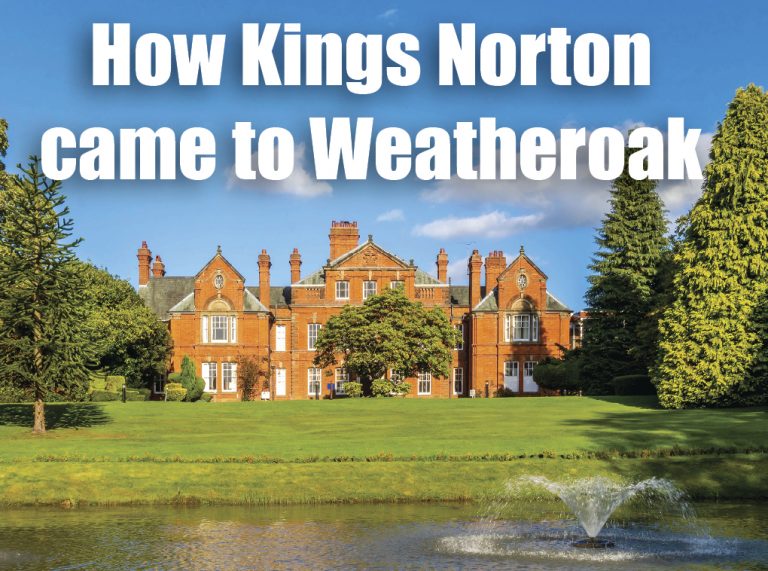
Golfers have now been thwacking balls around the fields surrounding Weatheroak Hall, on the edge of Alvechurch parish, for 50 years. And for all of those years, villagers have been asking: “Why on earth is it called Kings Norton Golf Club?” They are not a great distance apart in miles, but there is a world of a difference between the leafy, rural setting of the course’s grassy fairways, and the urban spread of Kings Norton.
That has not, however, always been the case – and the story behind this naming oddity tells us why we should always hold the Green Belt dear, and keep a very wary eye on Birmingham and its expansionary ambitions.
Back in the late 19th century, the village of Kings Norton was just that; a village, still far away from the dark, industrial goings on in Birmingham.
Meanwhile, the game of golf was enjoying its first boom as rubber-filled balls replaced the feather-filled affairs gentlefolk had been knocking around any suitable open spaces they could find in an effort to fill their time enjoyably and fashionably.
Better and cheaper balls to play with opened up the game to those who actually did something to earn a living: lawyers, industrialists, doctors and the like – although tradespeople could still forget it.
As a result, between 1880 and the start of the First World War, the number of golf courses in England soared from 12 to more than 1,000.
One of these new courses was created on fields at New House and Wychall farms, a little south of Kings Norton’s village green. The club’s formation on November 1 1892 meant it was pipped by a couple of weeks to being the oldest club in Birmingham, by a course created at another village on the outskirts of Birmingham, called Moseley.
The club grew along with the course in its rural setting and survived the effects of two world wars, the second of which led to nine of its 18 holes being ploughed to help in the effort to keep the people of Britain fed.
But while fairways could be reseeded and greens brought back to life, another post-war threat was looming ever larger and, quite literally, hoving into view.
Towering blocks of flats built by the mighty Birmingham Corporation were soon obscuring views from the fairways and there were complaints from club members of vandalism to the course by incoming residents to the council estates.
The arrival of the city may have made golfing at Kings Norton a little less of a pleasing experience to the professional people making up the membership, but it was not yet an existential threat.
That came a few years later as populations boomed in the 1960s and the corporation’s gaze fell on the golf club’s wide open spaces.
It isn’t known if there was any kind of invitation from a member or members at the club, perhaps aware of how much value they were sitting on and not keen on being surrounded by the city, but the spectre of compulsory purchase was soon to become a real offer of the enormous sum of £680,000.
In 1966 a stormy meeting of more than 200 members ended with a vote by a large majority to agree to the sale and to start looking for a new home.
It was a pressing search because the club would only have three years from agreeing the deal to playing their last shots at Kings Norton, although the inevitable protests in Kings Norton parish bought more time for the club while a public inquiry into the planned sale was called and held during 1967.
The inspector’s decision ruled against the whole thing and the people of Kings Norton breathed a sigh of relief, but the Government intervened and said it should go ahead because of Birmingham Corporation’s pressing need for housing land.
The parallels with 21st century fears of Birmingham’s housing needs translating into enormous developments in the Green Belt between Barnt Green and Alvechurch, sometimes dubbed “Barntchurch”, are stark.
Nothing, even village life, is safe when governments decide to help housebuilders take the easier option of building on green fields.
Back to the 1960s, where the golfers’ search for a new home was progressing in earnest – and they naturally looked south, away from the encroaching city.
We could have come to know it as Kings Norton Golf Club, in Barnt Green, but the land surrounding that village was considered “too hilly” by the club sub-committee leading the search.
They also checked out a site in Cofton Hackett, but this was thought to be too close to “the Austin”. Cosying up to a giant car factory was probably not going to be a popular idea for a golf club escaping the might of a city corporation. Sites further south were discarded because they were judged to be too close to Redditch.
The golfers eventually settled on an early favourite: the 220 acres surrounding Weatheroak Hall, a late-18th century building that had been home to some grand families over the centuries, but was now owned by Bournville Village Trust.
A deal to buy a 150-year lease for £95,000 was agreed for the hall and its 176 acres, with another 43 acres bought from the Ministry of Defence for £17,000 on the Wythall side of the estate.
The renowned golf course designer Fred Hawtree was hired to plan the innovative idea of three “loops” of nine holes each, effectively creating three different 18-hole courses depending on how two loops were combined.
As well as the course itself, there was the clubhouse to organise. Remarkably, there was a very strong move towards demolishing the magnificent hall and building anew: it was the 1960s, of course, and some of the best buildings in Birmingham had already been lost to the bulldozer and the flow of concrete.
It took two votes: in the first, 52 members voted to use the existing hall and 48 to build a brand new clubhouse. Undeterred, those wanting to build a new clubhouse managed to organise a second vote, which they lost by 85 to 41.
The lovely hall, which forms the backdrop for so many couples’ wedding photographs these days, was saved – although it is uncertain that Bromsgrove Rural District Council would have approved demolition, even if the club had voted to do it.
And then the work began, out on the course and to the rear of the hall where the members’ lounges and the grand ballroom were added on (as seen under construction behind the players about to tee off for the first time in the picture below) and are still in use today.
Out in the fields, all was going smoothly in the fantastic space available, although one less welcome characteristic of the land was making itself apparent: there was a lot of clay beneath the surface, which is the last thing you want when a golfer’s happiness is determined by the dryness of his or her feet and the feel of a firm surface beneath the ball.
This was highlighted in the final bill, with extra drainage work pushing up construction costs by £23,000 to £125,000. And this wasn’t a one-off: as present members will know, this has continued to be something the club has invested vast sums on improving over the past 50 years in fine-tuning the land into what is now considered to be a golfing jewel.
Although it was still something of a rough diamond, and with only 18 of the 27 holes constructed, by the autumn of 1970 the new Kings Norton golf course was ready – and final rounds were played on the old course, in Kings Norton, on Saturday, October 31, 1970.
The following day, November 1, cheered on by a crowd of fellow members, a historic four-ball of leading lights of the club drove off from the first tee of the Red loop . . . Kings Norton had arrived in Alvechurch.
The official opening was held the following June, with leading professionals, amateurs and celebrities, such as boxer Henry Cooper, flying ace Douglas Bader and TV presenter Cliff Michelmore competing in a pro-am tournament.
The following year brought two Open champions to the club as Lee Trevino, who had won the Claret Jug only the week before, and his great friend, the 1951 Champion Golfer Max Faulkner, arrived for a pre-organised charity event.
Thousands of fans turned up to see “Supermex” Trevino shoot a three-under par 69 and then auction his golf shoes for charity on the 18th green, joking: “These are the ones I beat your Tony Jacklin in!”
Even though the course was still far from mature, it continued to host professional tournaments, with such big names as Jacklin, Tom Weiskopf and even a young Spaniard by the name of Severiano Ballesteros, until in 1976 the committee decided efforts should be concentrated on the club’s members.
Half a century later, the course has matured into a beauty, and is still surrounded by fields, with only the very occasional distant thrum of the M42 a reminder of the world continuing to change and move around it.
The club is thriving and has a waiting list for new members, who now come from all walks of life; from judges, to teachers to taxi drivers. They even let in journalists these days!
While the threat from Birmingham’s hunger for housing land remains real, the golfers of Kings Norton Golf Club shouldn’t need to start looking for another new home for a good many years yet, especially while there’s still 100 years left on the lease. And perhaps by the time the next 50 years comes around, they might even feel sufficiently settled in to become Weatheroak Golf Club?
Champions: Max Faulkner directs proceedings while Lee Trevino plays a shot at Kings Norton (Weatheroak) a week after pipping Tony Jacklin to win the Open Championship in 1971.
The first four-ball prepare to tee-off on November 1 1970.
Special challenge: Water splits the fairway of the iconic par four 7th hole on Kings Norton’s Red loop.
Much of the information for this feature and the historical pictures come from “The Road to Weatheroak”, written by golf writer and former Kings Norton committee stalwart Peter Ricketts for the club’s centenary in 1992.
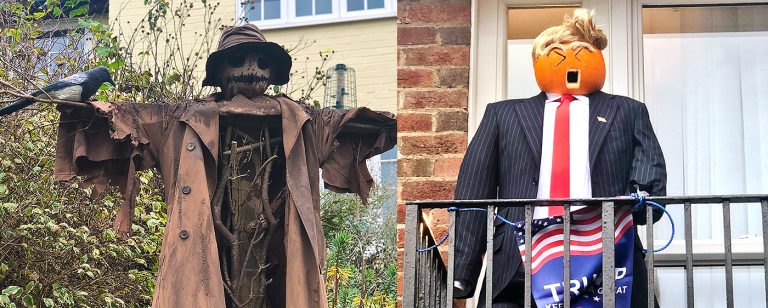
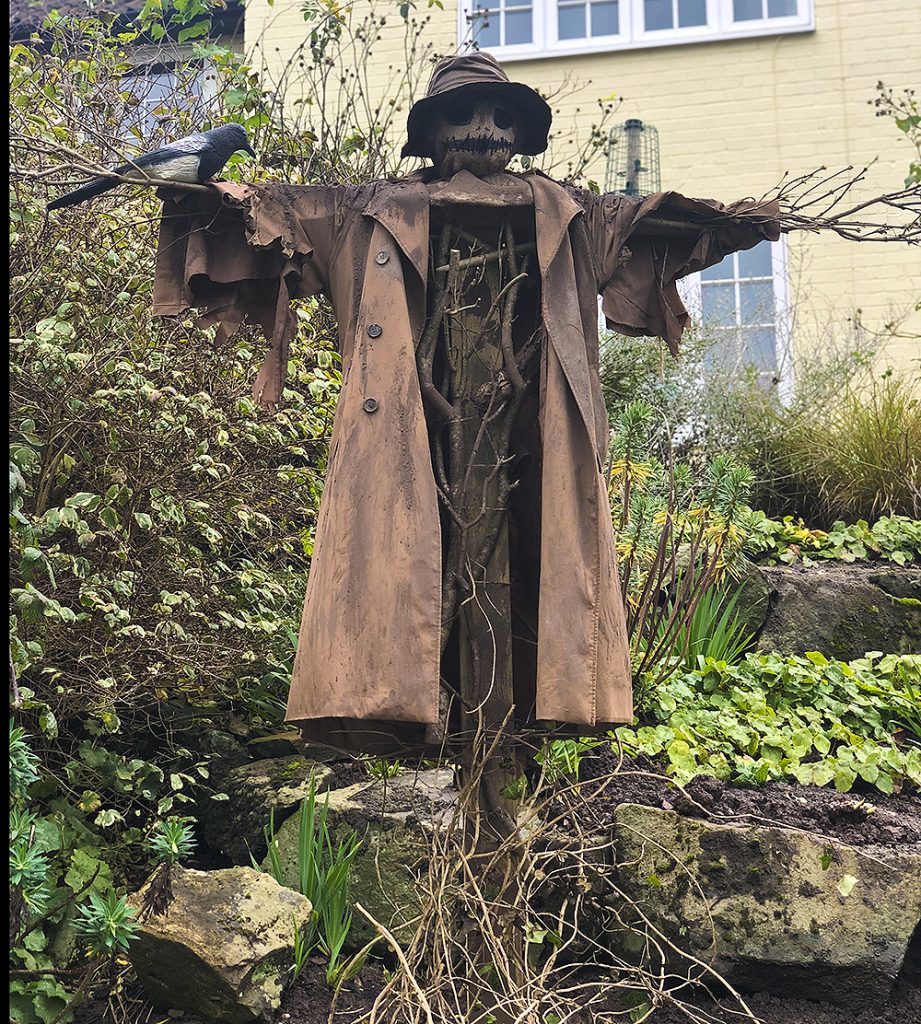
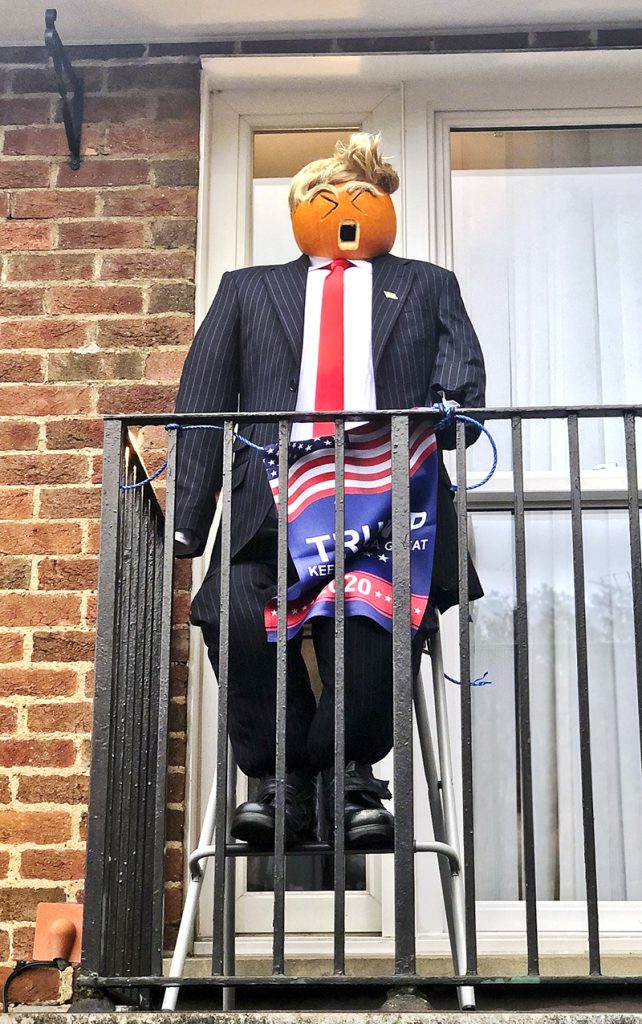
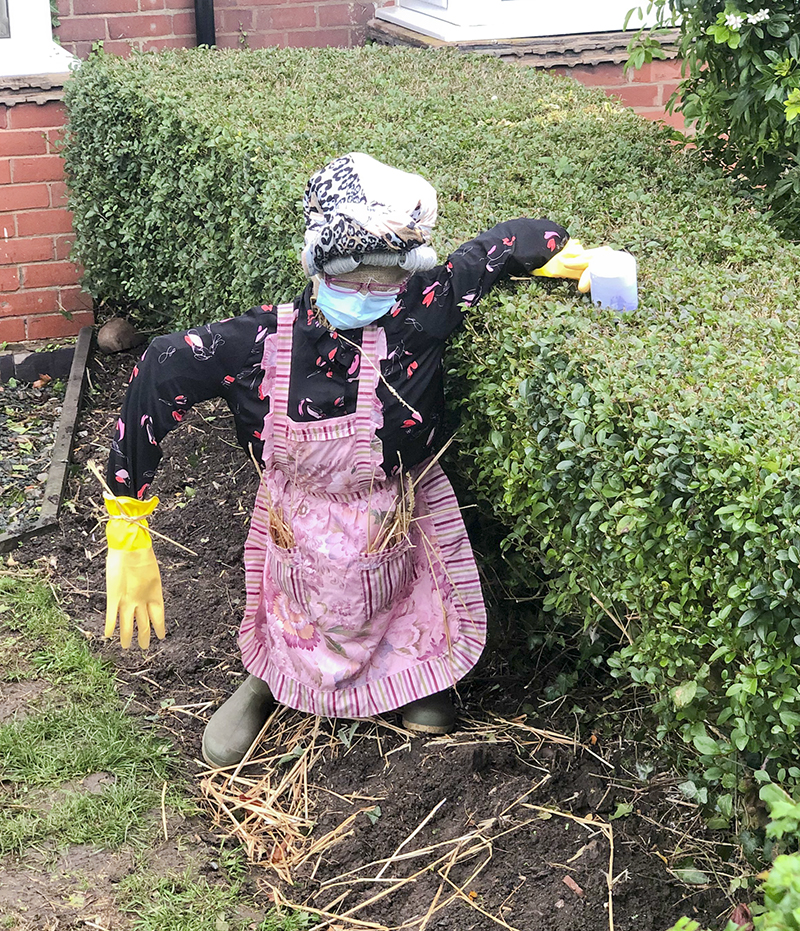
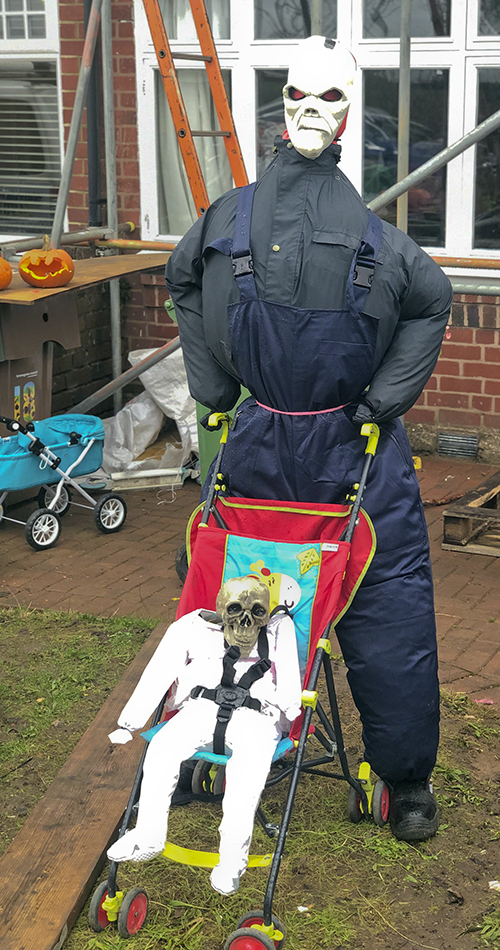
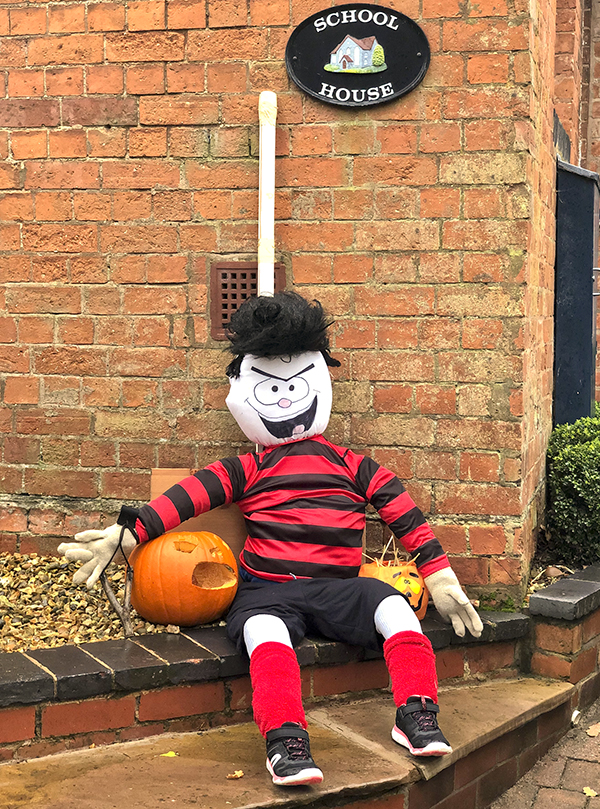
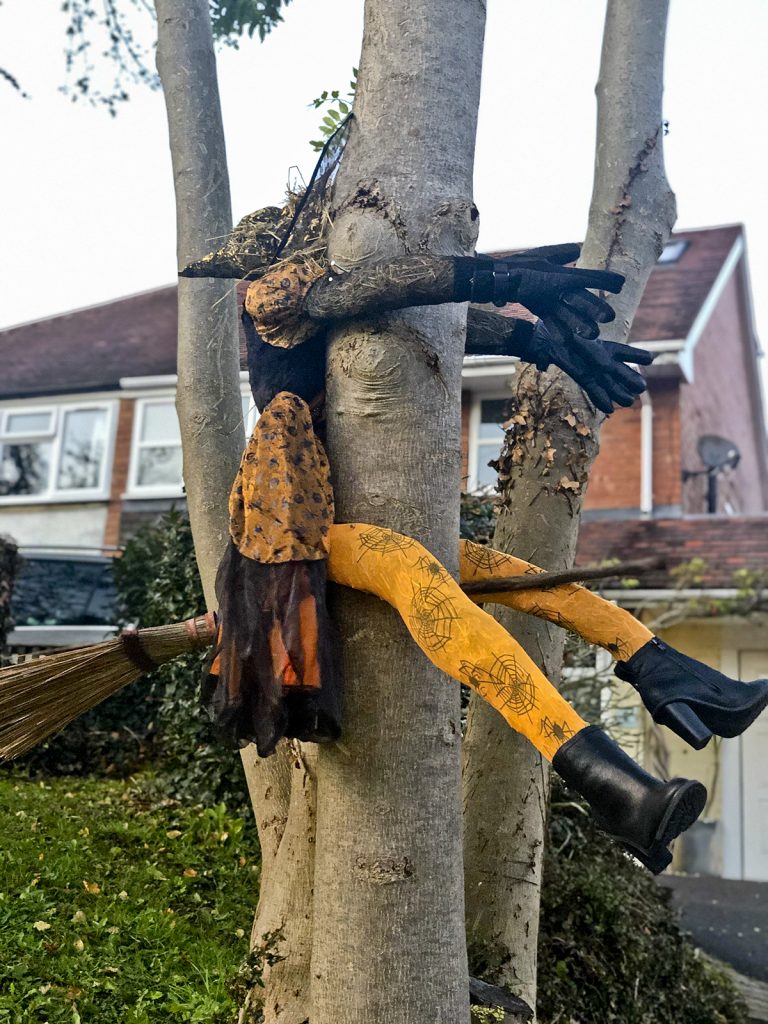
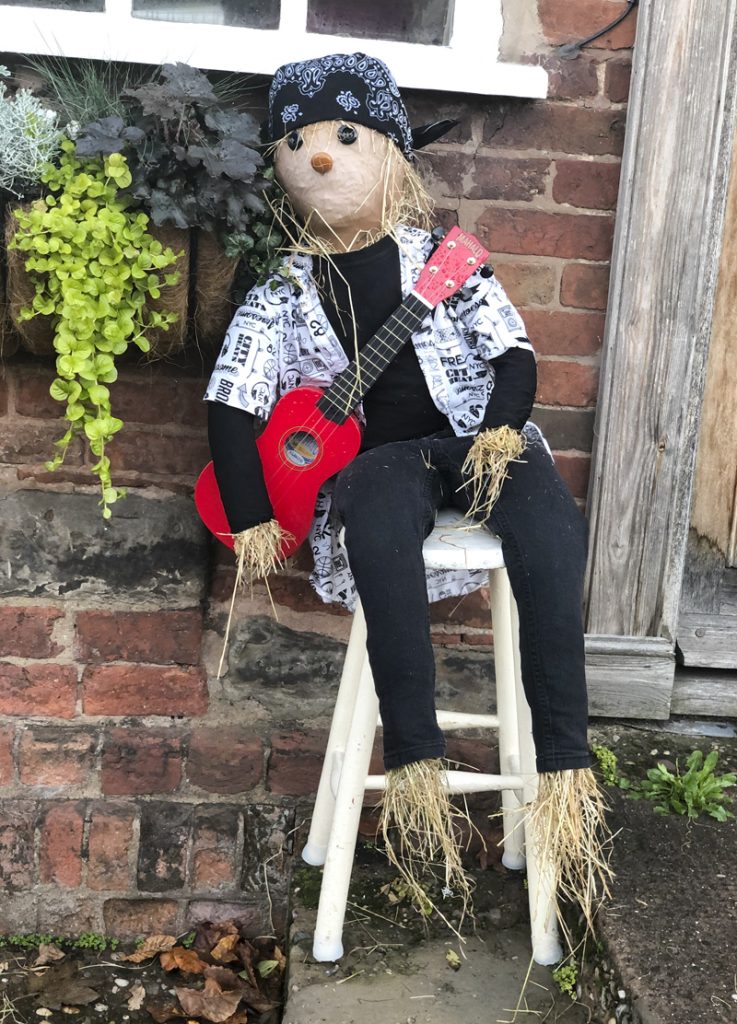
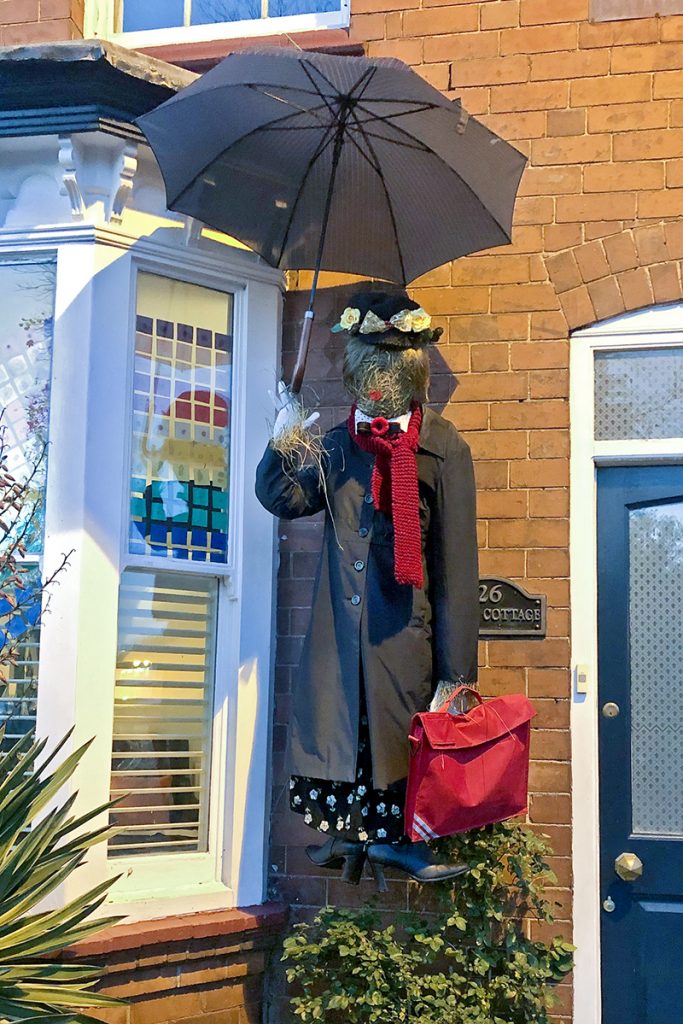
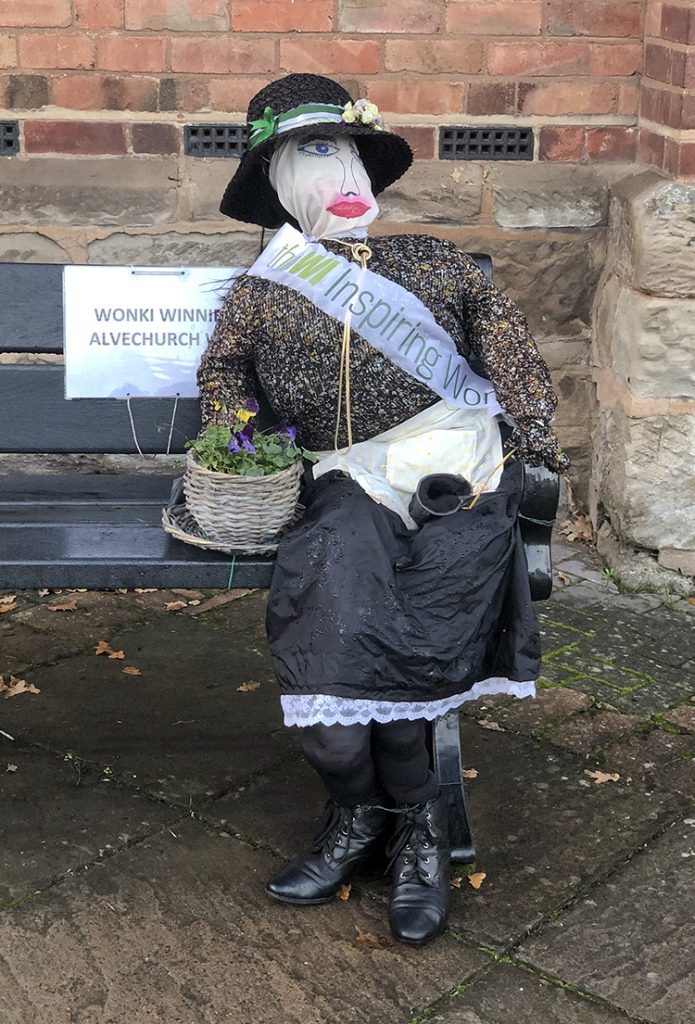
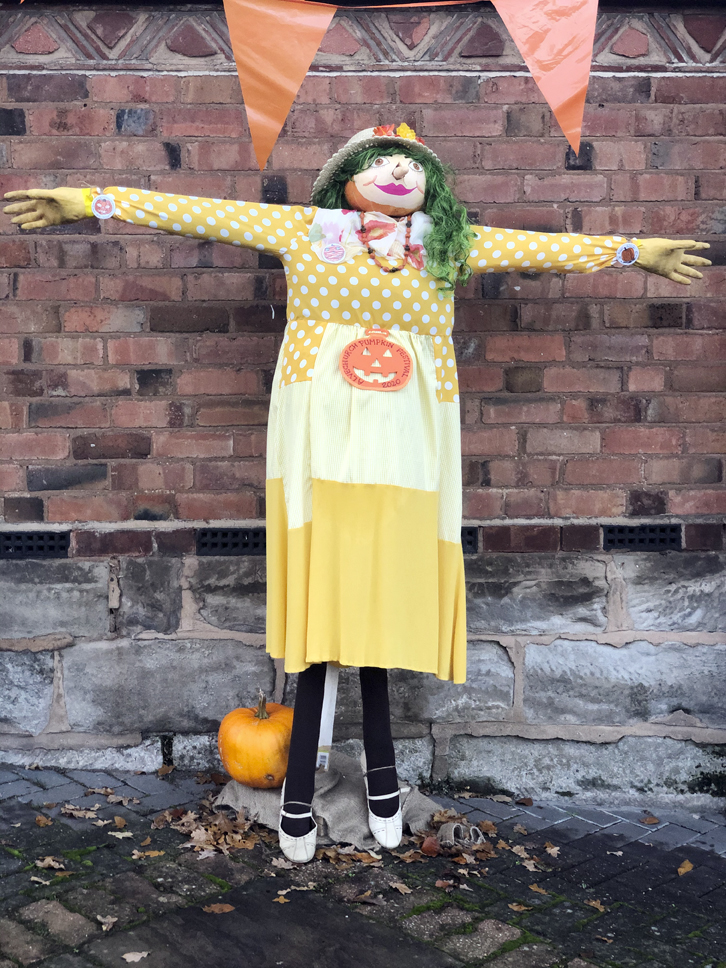
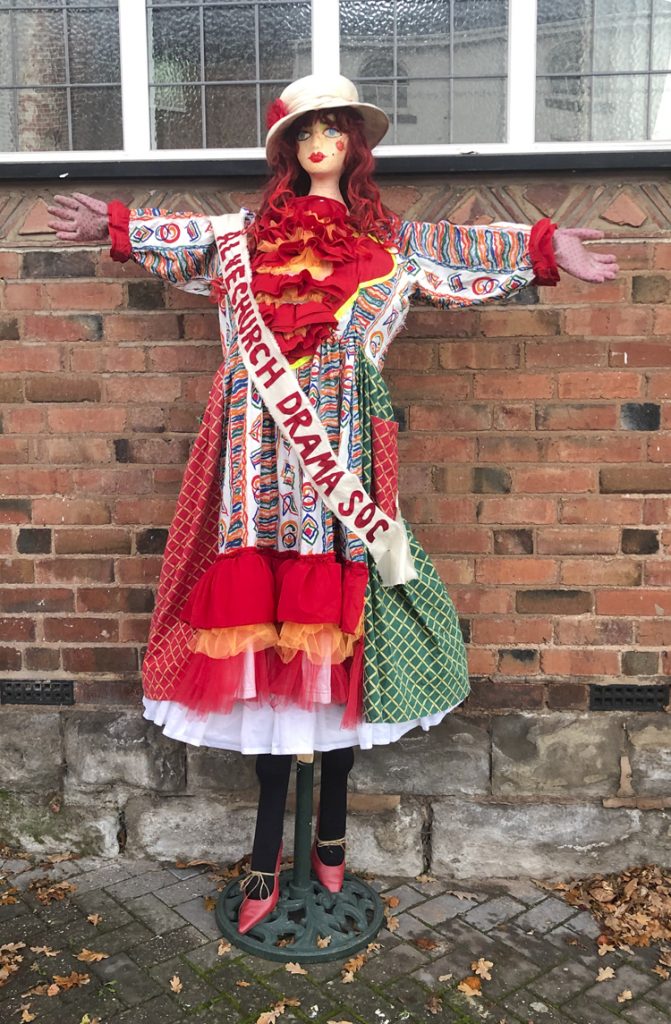
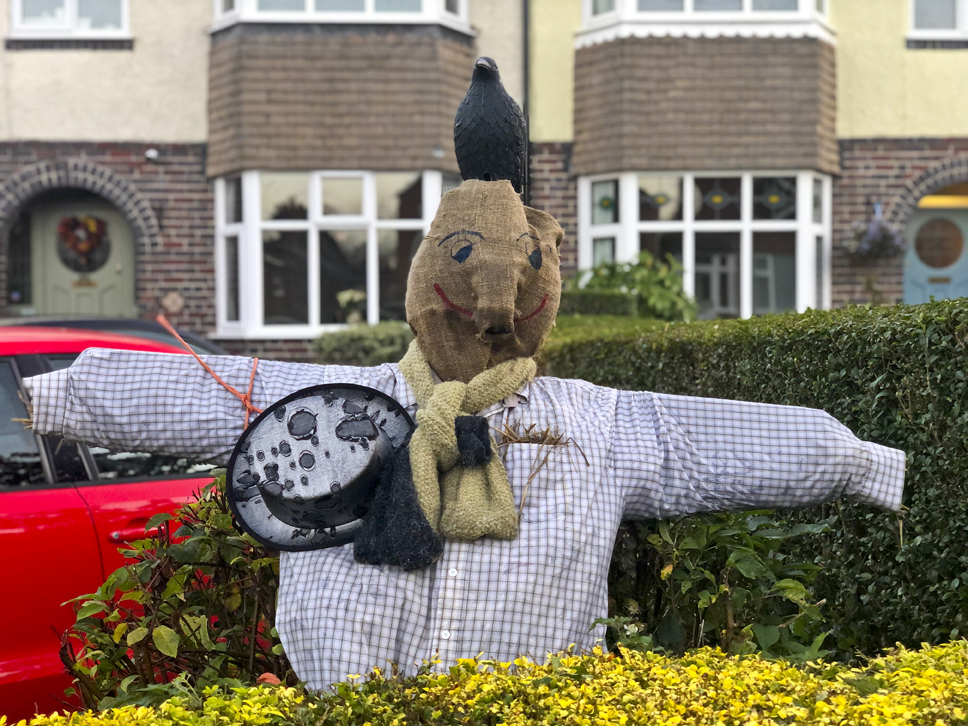
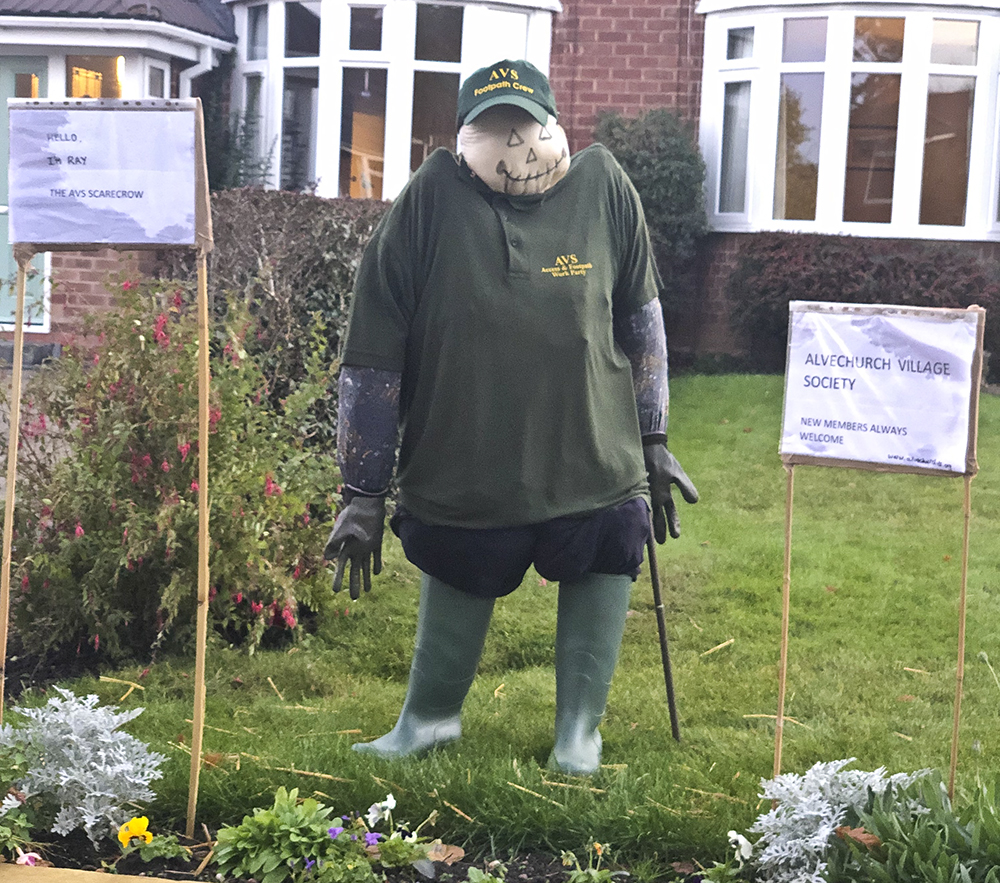
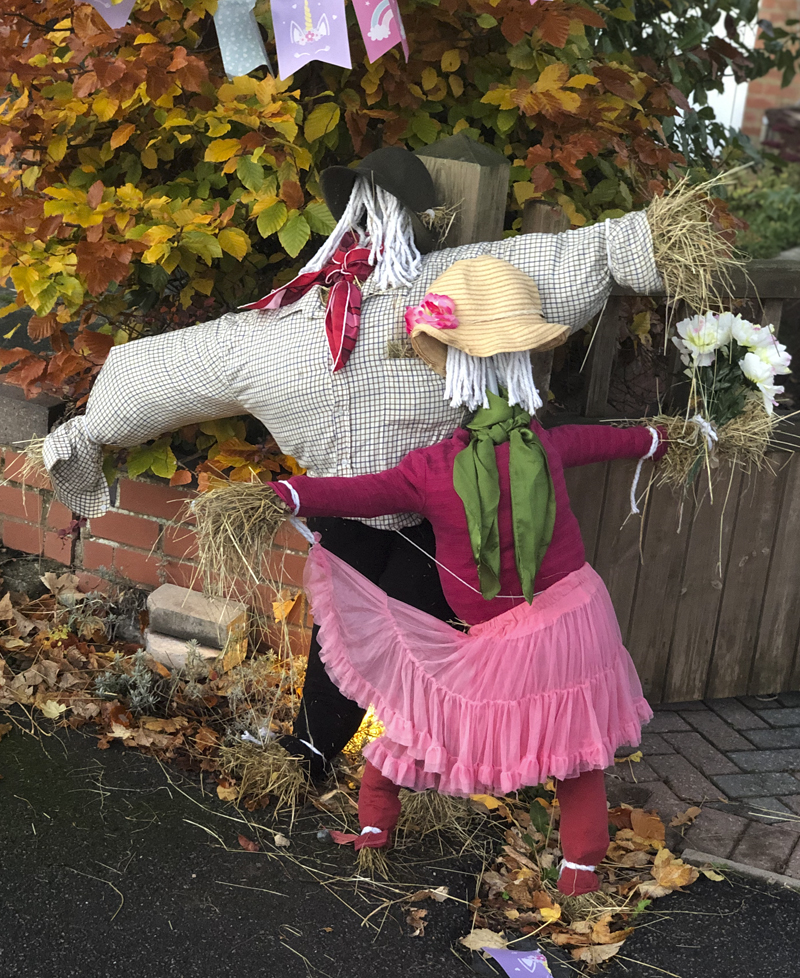
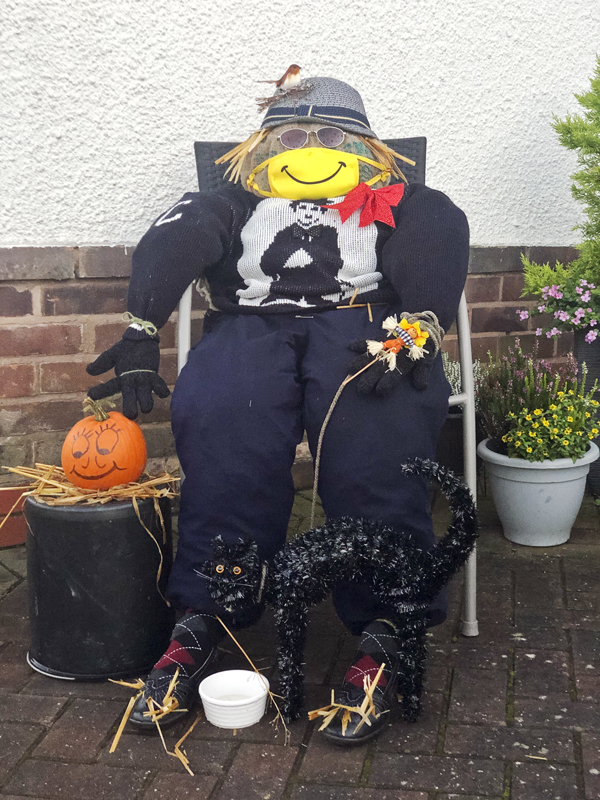
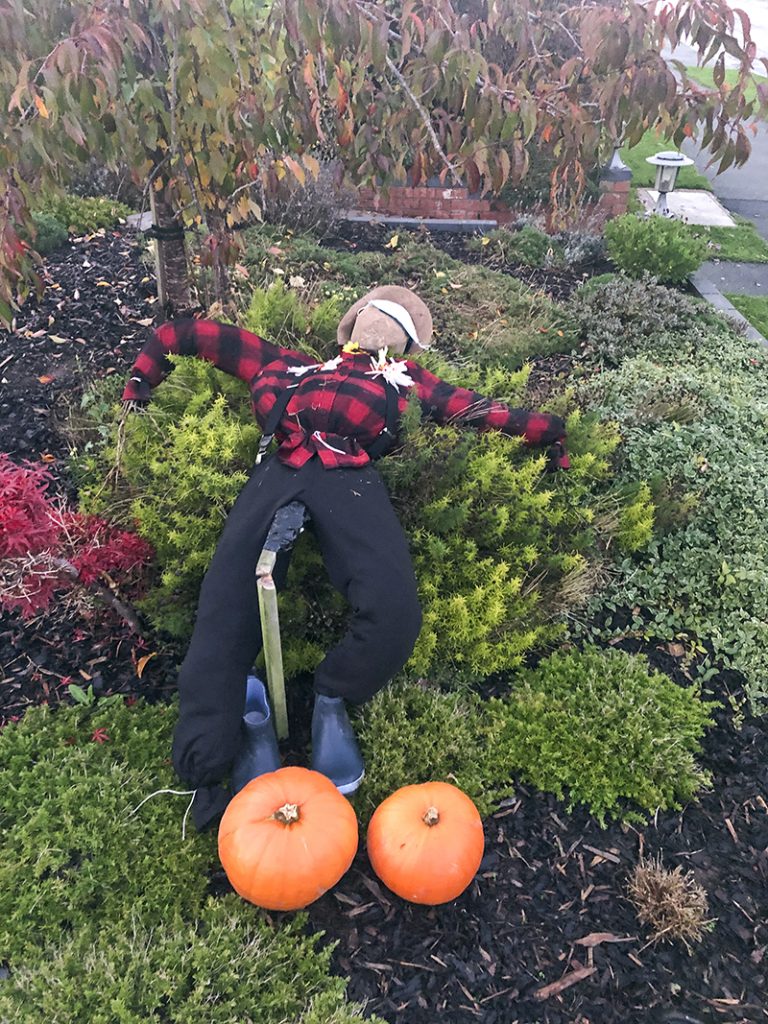
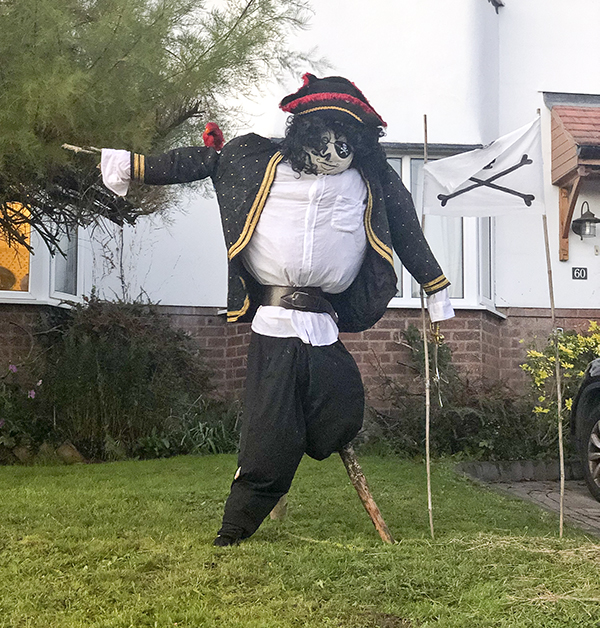
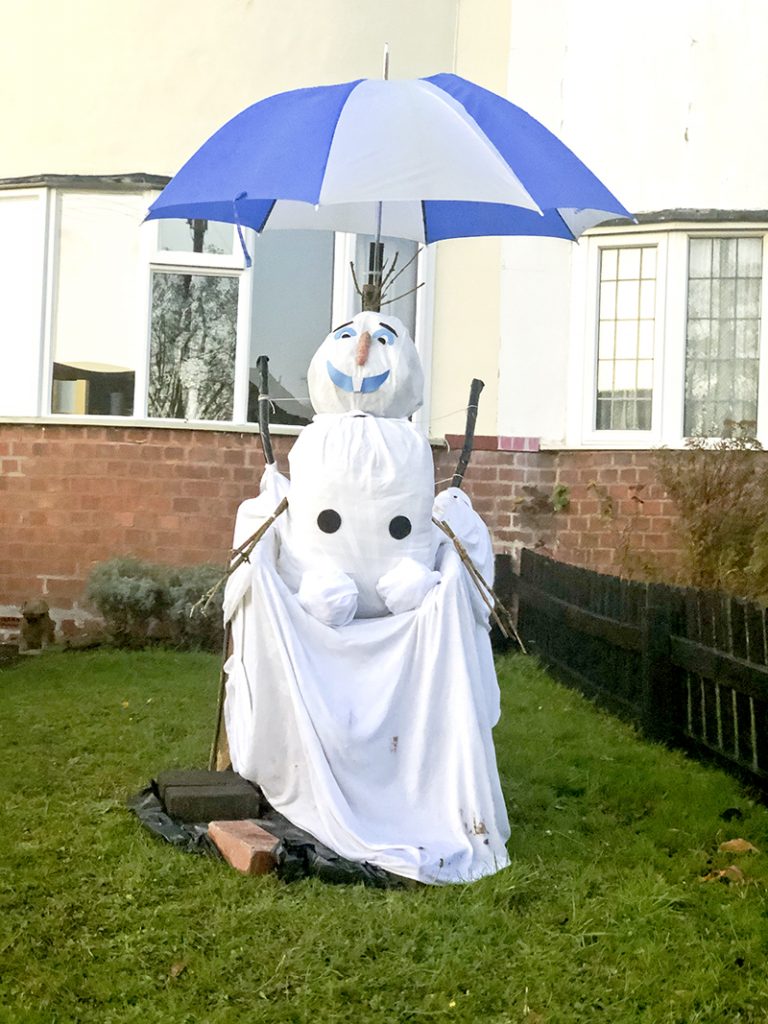
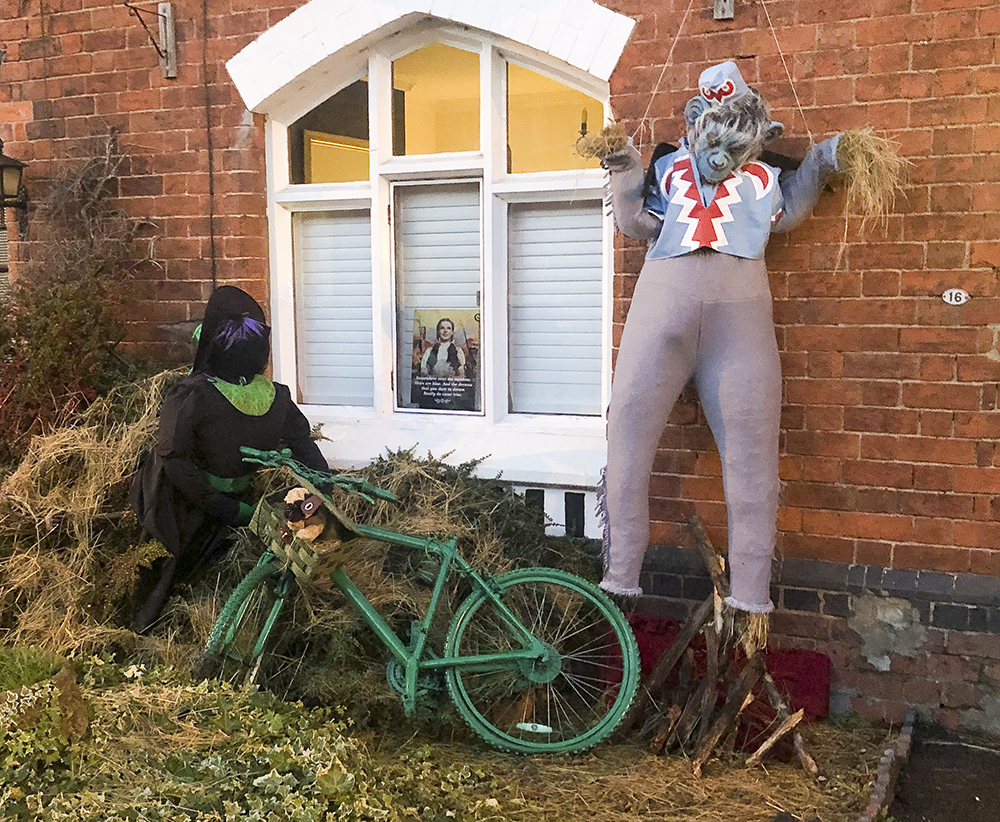
Freddie and The Trumpkin . . . Alvechurch villagers have responded in style to a fundraising Scarecrow Festival over half term – and at the same time are raising a fantastic pot of cash for The Lounge cafe and community project.
The festival’s JustGiving page had already broken its £500 target, with £859 donated before the viewing weekend began. The total will also be swollen by villagers donating in person at The Lounge.
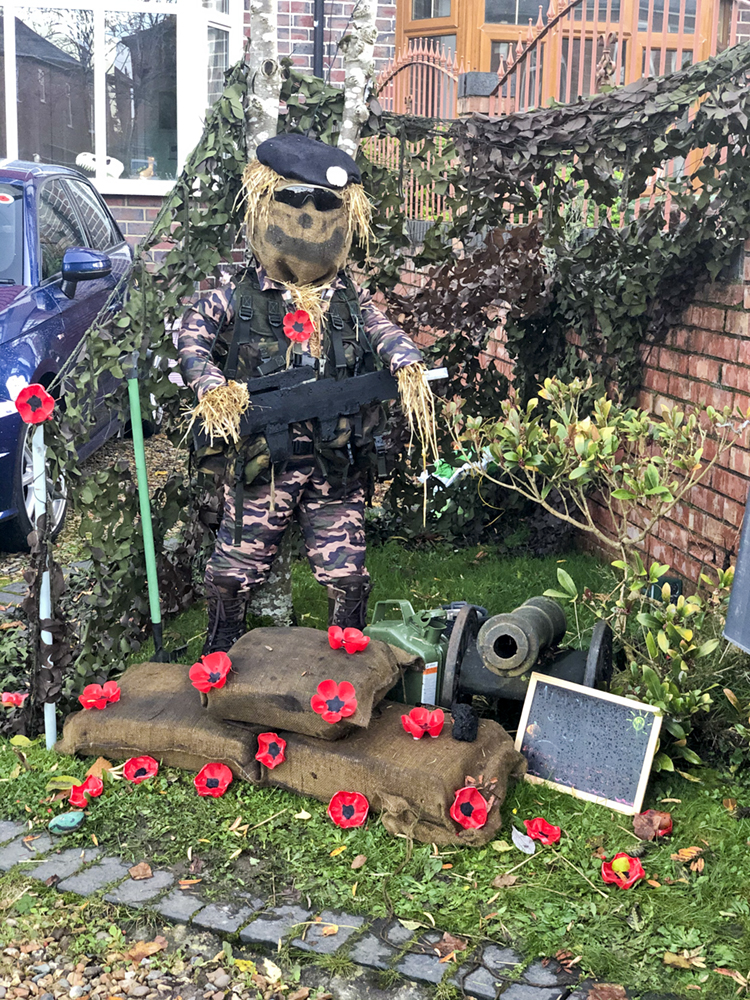
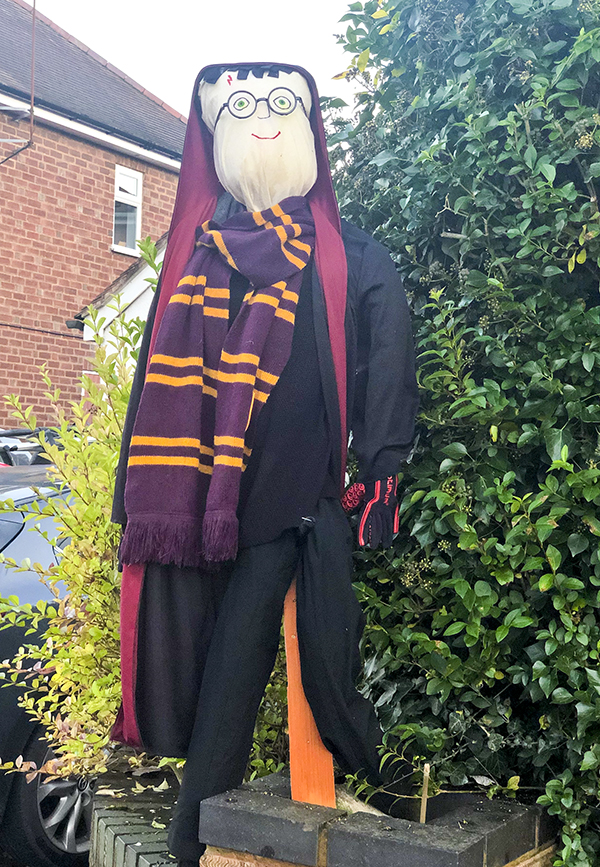
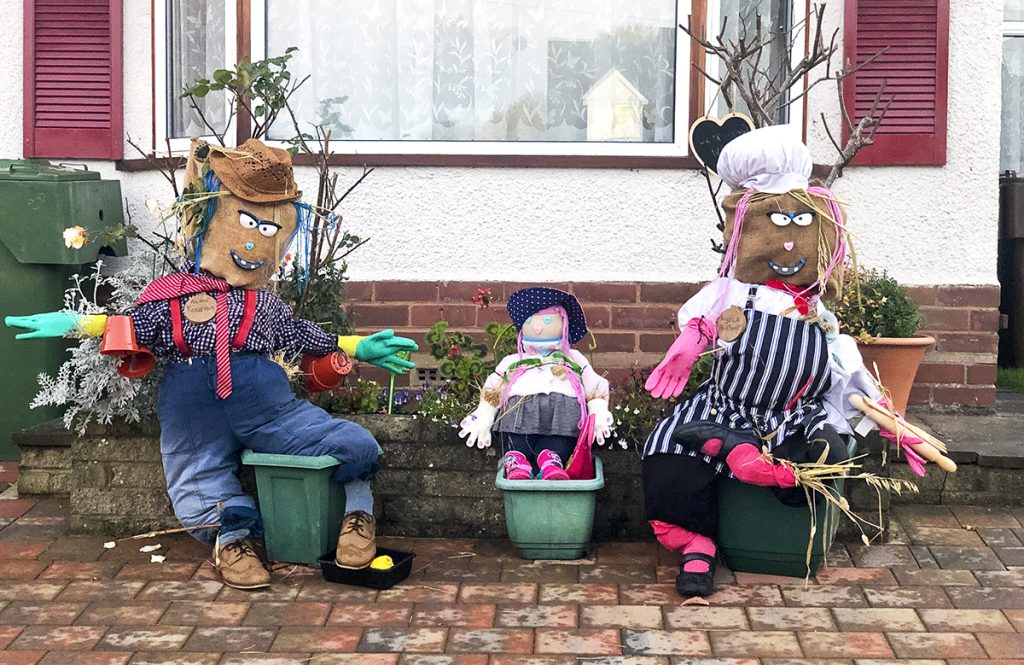
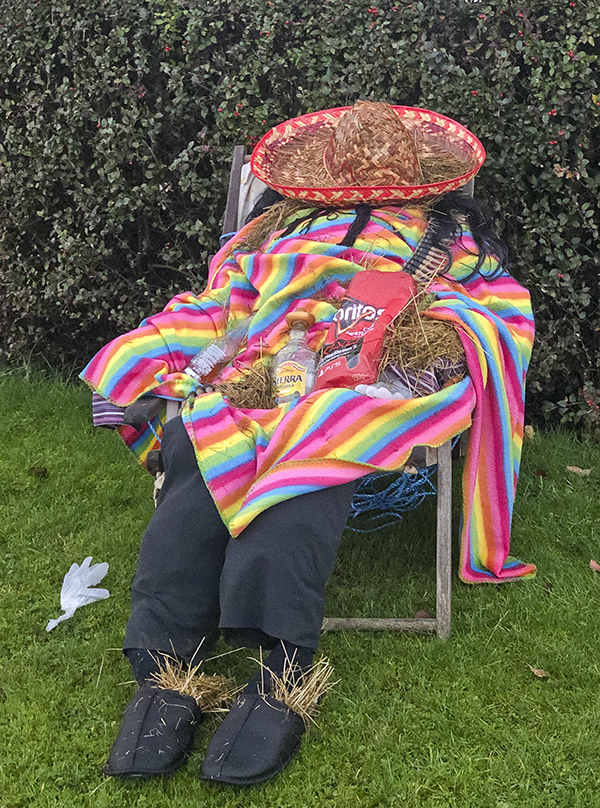
There are so many imaginative scarecrows on display around the village – including these two entertaining figures (above) – that it is probably impossible to see them all.
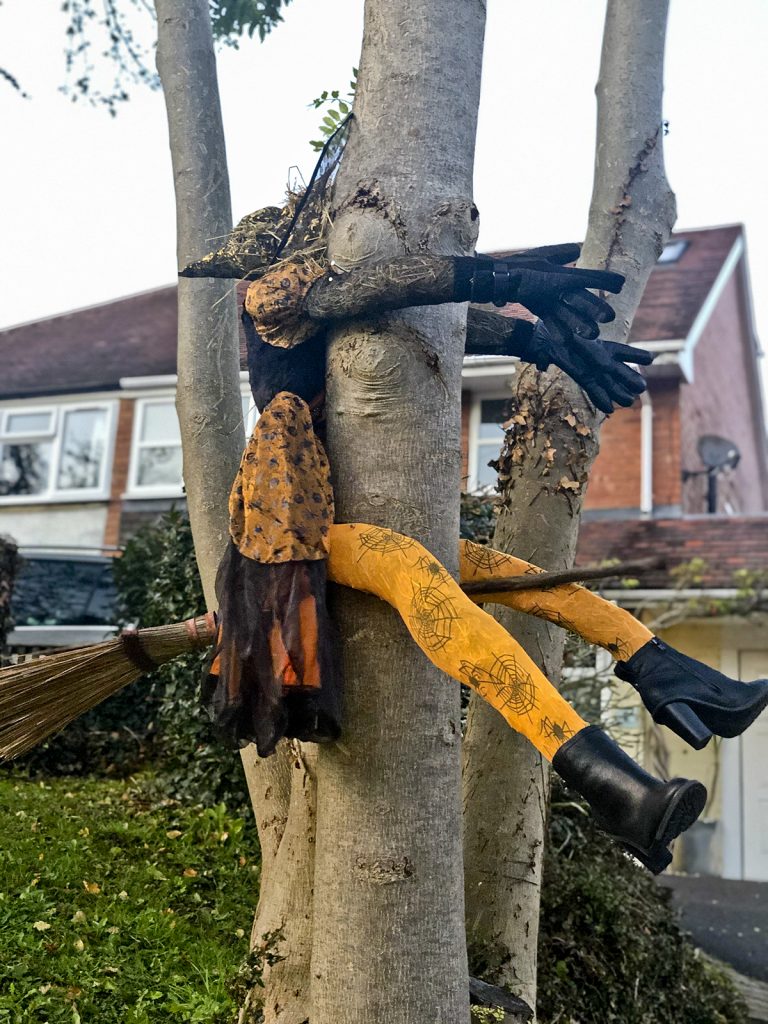
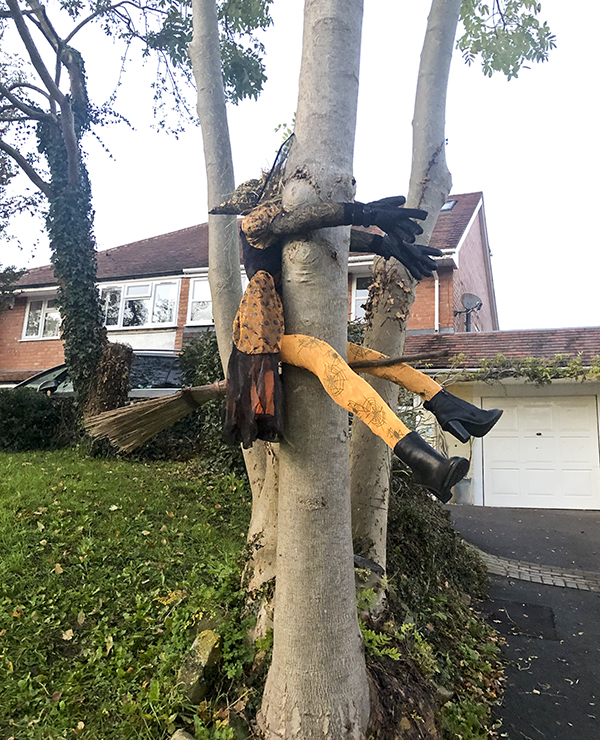
We have taken pictures of some, which you can see below . . . if you have taken any good pictures, or you want a picture of your scarecrow in our gallery (below), just email it to us and we’ll see what we can do.
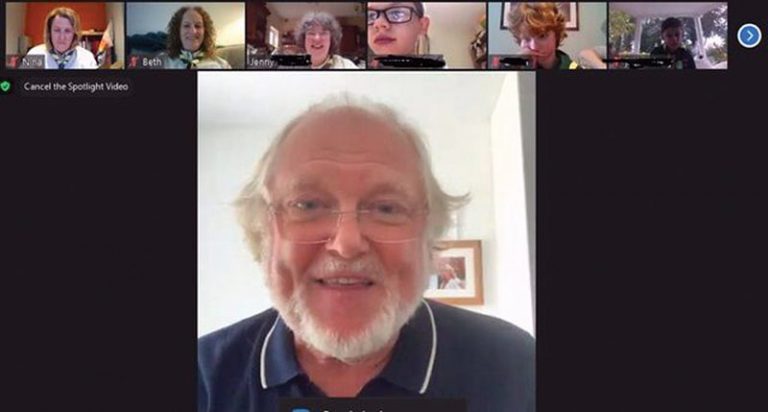
Lord Jones of Alvechurch joins a Barnt Green Scouts Zoom meeting during pandemic distancing.
Barnt Green Scouts have issued an urgent plea for a new Scout leader to enable the section to continue its 78-year tradition in the area. Current Scouts were reminded of the value of Scouting during a recent Zoom Scouts meeting when Baron Jones of Alvechurch (above, right) recalled for current youngsters how, as the young Digby Jones, he used to cycle over to Barnt Green from his home in Alvechurch every week to attend Scout meetings.
Group Scout Leader Darren Goodenough said that without someone willing to run the Scouts, with help from the current leader, the section was facing closure. Anyone who feels they could take on this role should email: bgsgleaders@gmail.com
The well-worn path made possible by the new footbridge over the railway line at Cofton Hall.
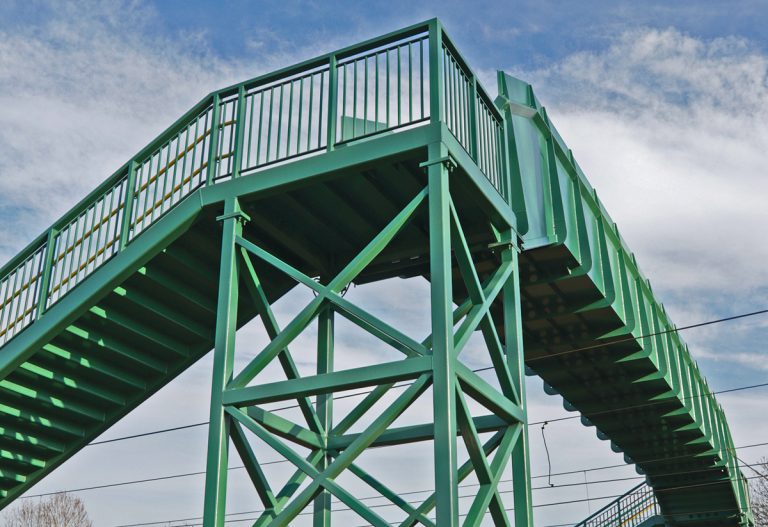
The £1 million footbridge over the railway line between Barnt Green and Cofton Hackett rising into the sky.
While, this picture (above), taken by Barnt Green parish chairman Robert Cholmondeley shows the well-worn path created by villagers using the new footbridge onear Cofton Hall.
“The bridge has proved a real asset,” said Coun Cholmondeley. “The pressure and lobbying of local residents and the parish council has been rewarded.”
The £1 million footbridge over the railway line near Cofton Hall.
The Lounge community cafe in Alvechurch has issued a statement wishing another food business well in its application for a licence to operate in the village to counter comments being promulgated by social media users. The Lounge trustees said they were doing this because of “the narrative that has been built over recent weeks and months seeming to pitch The Lounge against Alvechurch Breakfast Club by various social media contributors”. They add: “Let us be clear and final. We have nothing against ABC and we wish them well, despite the additional commercial challenges their opening may bring to us. “ABC – good luck for today and the future. We wish you well whatever the outcome of the hearing. We know there is a lot riding on it for you and from one small enterprise to another, we get it. Good luck.”
The Lounge trustees statement in full: This is a statement on behalf of the The Lounge and Alvechurch Communities Together Trustees.
“Dear Neighbours,
Please take a moment to read the below as there are a few things we’d like to say. We have drafted this in advance unfortunately expecting negative social media commentary towards our charity, regardless of the outcome of the ABC hearing today. We are expecting this, given the narrative that has been built over recent weeks and months seeming to pitch The Lounge against ABC by various social media contributors. Let us be clear and final. We have nothing against ABC and we wish them well, despite the additional commercial challenges their opening may bring to us. The Trustees have not lobbied against ABC in anyway shape or form. Nor have we asked our staff or management committee to. ABC: good luck for today and the future. We wish you well whatever the outcome of the hearing. We know there is allot riding on it for you and from one small enterprise to another, we get it. Good luck.
The Lounge started nine years ago as a charity to support the young people in our community and help address some social behaviour challenges the community faced at that time. The Lounge provides a safe place of refuge for our young people and all aspects of our community as a community cafe. It has been many of our younger people’s first experience of employment and given a point of connection and purpose for those who volunteer. Since opening we have routinely battled for survival, but with the goodwill and support of the community, charity bids, charity donations, APC support and our volunteers donating their time and labour we have kept going for nine years. We have even been able to expand our offering to support the more isolated in our Community via Friendship Matter. The sustainability threat never goes away however. (We’ll come back to this). The Trustees all live in our community are all volunteers with jobs, families and interests of their own. They are time poor, but they do this because they love Alvechurch and want to make a difference. When we opened, we were the only cafe in the village. Since then we have been joined by Morso, Gin and Pickles and now ABC. We have welcomed these businesses into the village and found a way to work alongside them, whilst trying to commercially keep going despite the extra competition. It’s been tough but that’s life – we don’t have a monopoly on Alvechurch and nor should we. We’ve handled this in a community spirited way and in line with our values, always aware of trying to set a positive example to our young people we were created to serve. With the ongoing help of the community of Alvechurch, we continue to support our charitable aims, including a new offering on how to support our young people with their mental health in these difficult times which we are currently launching. For those new to the Village, the Lounge operation, creates some small income that is 100% redeployed in our charitable activities. And times are tough, very tough. COVID has brought a number of challenges with reduced capacity in the cafe and therefore reduced revenue, increased operating costs, reduced availability of our volunteers (to keep them COVID safe), reduced fund raising events (Party In The Park), reduced social events (Mop, etc), reduced availability of charitable bids as they understandably pivot to support COVID based charities and we are also coping with an increase in rent (though the landlord is being supportive) and an increasingly competitive local environment. We are doing are best to survive. You’ll have noticed our Sunday opening pilot, our loyalty card, changes to the menu to try and improve our offering, the community feedback survey and coming up the scarecrow trail (thank you to the organisers). We’ll keep trying but need your help. We wish ABC well, we really do. We want a harmonious relationship and hope this note makes that clear. Frankly we haven’t the time for anything other than harmony – it’s not in our DNA and detracts from us delivering against our charitable purpose. We hope that this note also brings to the fore to the community the serious challenges we are facing. And to highlight that The Lounge will only continue into our 10th and centenary year with the support of our Village helping us to continue our work to serve the community, as an employer of local people and continue our charity work. If you’d like to support us please get in touch. Volunteer time, ideas, custom or playing the lounge lottery where half of all proceeds go directly to helping make TheLounge sustainable.
A “LAND GRAB” is causing problems on a village housing estate as new residents put up “Private” signs on public open space. Barnt Green Parish Council is writing to Bromsgrove planners, asking them to step in to ensure the land remains available to everyone. Coun Joe Nilsson, who lives on the Foxhills estate, off Fiery Hill Road, told parish councillors: “It’s now four different areas where people are trying to land grab. It is getting ridiculous. “People are taking ownership of public spaces. I’ve been approached by people who have told me not to walk across the grass because it is their land, when it clearly is not.” He said the problem stemmed from so-called “Cala-gate”, where the developer installed gates blocking an intended public footpath through to Cherry Hill Road and effectively fencing off public open space. “If we can get something done to open the gates, it might help with the other problems,” said Coun Nilsson. The council agreed with Coun Charlie Hotham who said: “We should write to the planning department to say we are very disappointed that the planning permissions are being flouted.” Coun Hotham later had a meeting with Bromsgrove’s head of planning Ruth Bamford, after which he said: “I am still satisfied progress is being made.”
This picture (above), taken by Barnt Green parish chairman Robert Cholmondeley shows the well-worn path created by villagers using the new £1 million footbridge over the railway near Cofton Hall. “The bridge has proved a real asset,” said Coun Cholmondeley. “The pressure and lobbying of local residents and the parish council has been rewarded.”
The £1 million footbridge over the railway line near Cofton Hall.