Hannah Genders suggests a spot of spring-cleaning – in the garden, that is…
I can never get excited about the idea of spring cleaning indoors – in fact, as my husband will testify, I can never get exciting about cleaning full stop – but I do love this time of year in the garden when all the new growth is coming through.
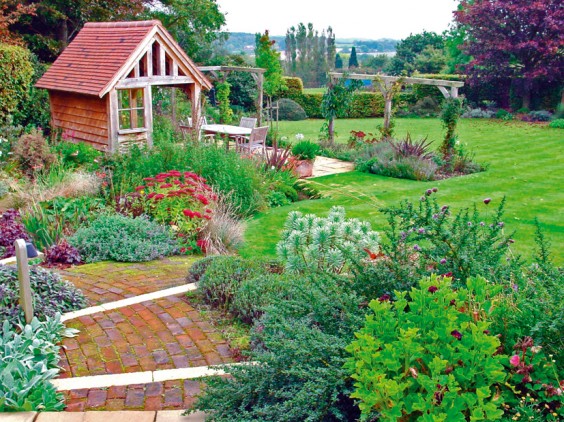
Maybe your garden, like mine, is looking rather shabby, having just been through the winter. Everything needs a good tidy up and I thought that this month I would give some general tips on a spring makeover in gardening terms.
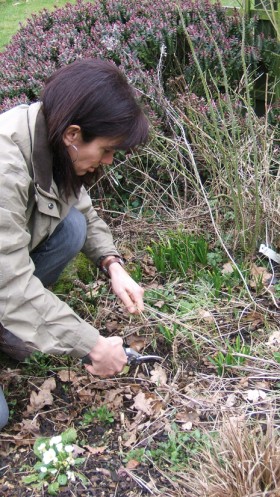
To begin with I would always cut back the old growth from last year; this is particularly relevant with perennial plants and now that the days are warmer, the dead stems can be cut back to the new shoots coming through. It’s important not to do this cutting back too early in the spring as the new growth could be affected by late frosts.
On shrubs that have more woody growth, I would tidy up any straggling branches and cut out any wood that looked diseased, but as a general rule most shrubs would not be pruned fully until the autumn.
Once the old growth is removed you can then see better in order to give the borders a good weed. It’s especially important to dig out any perennial weeds that have taken hold in the soil – I usually give the soil surface a light hoe too.
The best advice I can give you at this stage is to add a good mulch to the soil surface. There are a number of things that can be used as a mulch and once the border has been prepared it should be spread over the soil at a depth of two to four inches thick.
It may seem hard work but offers so many ongoing benefits: it helps to warm up the soil and encourage the new spring growth; it stops any annual weeds coming through that would normally seed in on the soil surface (and so drastically cuts down on the work); it helps retain moisture for the plants, and as the season progresses it will eventually work into the soil adding valuable organic matter and nutrients.
There are a number of different materials that can be used to mulch a garden – homemade garden compost works really well, and woodchippings from a garden centre or local tree surgeon are also good, but do make sure the chippings have been allowed to rot down and are not too ‘green’ otherwise they will take nitrogen out of the soil.
I would also never use conifer chippings for the same reason.
Soil enrichers can also be bought by the bag from most garden centres and as this is usually just horse manure by another name, you can cut out the middle man and go directly to a local stables where it is usually free if you collect it yourself.
Again it’s important to collect only old manure that has had time to rot down for at least a year – manure adds lots of nutrients to the soil.
If you want something a bit less smelly you can now buy compost from the council; all those green wheelie bins full of garden waste are converted back into compost and they sterilise it as well to get rid of any weeds lying dormant in it.
Once all the borders are looking smart, a good sweep up of all the hard surfaces and a quick cut of the lawns will really help. With all the hard work out of the way there will be just enough time to re-do some of those pots with a few spring flowers.
Polyanthus are such good value and mine have been flowering all winter; I just pull off the flowers as they die so that the new buds come through. Winter pansies can be bought cheaply now at the end of the season and will give you a few more weeks‘ colour before the summer bedding comes in.
A spring makeover is very rewarding – much better to be outdoors than in!
* The Village would like to interview local people who are really passionate about their gardens – if you know of anyone who fits the bill please phone Hannah on 0121 445 0193.