Home Blog Page 757

A royal treat at The Queen’s

Queen's Head

Sally Oldaker finds out why the Queen’s Head is fast becoming a venue of choice for discerning diners and drinkers.

Since re-opening last October with new management and a stylish new look, the Queen’s Head Inn has been busy earning a new reputation as one of the area’s
top venues.

Manager Gianni D’Aniello has paid as much attention to creating the right ambience as he has to the impressive menu, and aims to put the restaurant right at the top of the “must-go” list for people in Bromsgrove and beyond.

Having attended the launch party and also enjoyed a Christmas lunch at the restaurant, I was really looking forward to trying a full evening meal there – and I’m pleased to report that the experience lived up to expectations on every level.

As you’d expect on a Friday night, the restaurant and bar area were busy; an indication of the Queen’s Head’s growing popularity and beneficial in creating a convivial atmosphere.

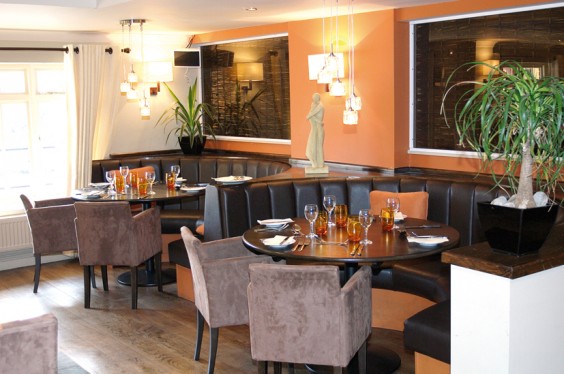
The decor manages to combine cosiness and contemporary style, with modern furnishings in warm oranges and browns complementing the wooden beams that hark back to the pub’s earlier days.

That’s another plus point – the Queen’s Head has held on to its roots as a canalside pub by ensuring that the bar area is not just a waiting room for the restaurant.

At the moment it’s probably fair to say that most people come for a meal rather than just a drink, but we could easily imagine spending a relaxed evening in the bar or snug enjoying some of the real ales or fine wines on offer.

We first ordered our drinks from the bar (including two pints of top-notch guest ale “Quaff”) and settled into the comfy seats, where we were given time to peruse the menu and make our choices before moving through to the restaurant – a relaxing way to start the evening and an unusual one nowadays, as most restaurants send you straight to your table on arrival.

The menu, which has recently been updated, offers a large selection of delicious-sounding choices, with each one completely different from the rest.

Many of the dishes combine a vaguely Mediterranean feel with the best of British, and happily none of them sound as if they are “trying too hard” – as we would discover when our choices arrived, it’s all about the subtle introduction of flavours to complement the main ingredient.

While the others elected to sample some of the fine wines on offer (a fruity Chardonnay and a velvety Merlot) I stuck with the beer and found the Courage Director’s bitter just as good as I had remembered from previous occasions.

Being something of a connoisseur of fried eggs as well as beer, I couldn’t pass up the opportunity to sample the “Late Breakfast” starter, which promised chorizo, black pudding, fried egg and crispy bacon.

Any concerns that it might be too filling for a starter were allayed by the arrival of a small stack of sliced chorizo and black pudding, topped with a perfectly-cooked fried egg and adorned with two strips of fantastically crispy bacon.

It was the ideal size and a cute way to introduce a traditional English fry-up to a contemporary menu.

The two companions also having starters had chosen Tomato Carpaccio with a feta, caper and shallot dressing, and Leek and Gruyere Tart with a soft poached egg (something of an egg theme here!).

These, too, were the ideal size and described in glowing terms – the next question was whether the main courses could match them…

Well, of course they could. I had chosen Pot Roasted Guinea Fowl with braised baby gem, roasted shallots and crispy pancetta, and this again was cooked perfectly; tender meat with a slightly crispy skin and flavoured by the sweet shallots and dark jus.

Another member of the party went for Roast Chicken with a herb coating, and this was excellent – the crunchy crust lent a Provençale flavour, enhanced by the accompanying thyme-roasted potatoes and French beans.

Across the table, the fish fan was delighted with the Seared Monkfish with wilted spinach and pasta shells in a shellfish cream – this was one example of how an unusual mix of ingredients actually worked to great effect.

The fourth diner had picked from the grill section, which offers four different steaks and four different sauces to choose from, all served with seasonal veg plus new potatoes or chips.

The Rump Steak in Poivre sauce was served medium rare as requested, and one of the biggest delights was the portion of hand-cut chips that arrived – these had been cooked in a dark oil which added an extra crunch, and since they are also available as a side order I would definitely recommend getting a portion to share on another occasion.

The great thing about the dishes at the Queen’s Head is that they are exactly the right size; not so large as to confuse quality with quantity and not so small as to fall into the now-dreaded “nouvelle cuisine” category.

This means, of course, that there’s room for a pudding…and looking at the dessert menu it would certainly have been a sin not to try something.

I chose the unusual-sounding Citrus Terrine set in cranberry jelly with passion fruit dressing, and it’s no exaggeration to say that this was one of the best desserts I have ever had; the sharp citrus and tart cranberry flavours set off by the sweet passion fruit, and beautifully presented as all the other dishes had been.

It’s also refreshing (in more ways than one) to find a pure fruit pudding on a menu these days, with the current trend towards rich, indulgent chocolate or cream-based desserts – and a bit more interesting than plain fruit salad.

That said, there are indeed chocolatey options on the menu, one of which was enjoyed by my companion – the Individual Dark Chocolate Tartlet with poached pears was declared to be excellent, with the rich chocolate tempered by the juicy pear.

The remaining two group members each picked the Pineapple Tart Tatin with peppercorn salsa, which was as unusual as it sounded – in a good way!

The sweet caramelised pineapple was joined by a fruity salsa with a peppery kick, and one of the portions was also accompanied by a scoop of delicious lemon meringue ice-cream at the request of the person who couldn’t bear to leave it untried.

No one had room for a liqueur coffee from the extensive selection, so the meal was rounded off instead by a limoncello liqueur apiece, and a chat with Gianni about his plans to develop the outside of the venue with an outdoor eating area and conservatory.

When we left the restaurant it was getting on for midnight; an indication of how relaxed the evening had been – no one had rushed us, and there was plenty of time to fully enjoy and savour each course.

So, on every level the Queen’s Head Inn comes highly recommended – we will definitely be making a return visit in the very near future.

The lunch menu looks equally tempting, with a la carte and set-price options, while the great location and friendly atmosphere will surely continue to draw in the crowds.

The Queen’s Head Inn
Sugarbrook Lane
Stoke Pound
nr Bromsgrove
01527 877777

£40,000 appeal to repair 14th- century church

St Michael's

If you ever travel by train into Birmingham from Alvechurch or Barnt Green, you will have noticed St Michael’s Church, nestled among the trees, in the last bit of countryside before you enter the Birmingham conurbation.

St Michael’s, which is reached from Cofton Church Lane, is one of the most outstanding historic buildings of the area. It is thought to have been built in about 1330, and has been in continuous use ever since.

There are still weekly services there, and with its peaceful churchyard (apart from those trains!), it is also in regular use for wedding and funeral services.

As with any such historic building, there is always need for maintenance and repair, and the time has come for major work to the roof.

The Vicar, Rev Rob Fieldson, reports: “There are many slipped and missing tiles. Unfortunately, the roof was built in such a way that when tiles move they loosen the plaster beneath.

“So we now have the challenge of replacing the roof and repairing and redecorating the ceiling. At the same time, we will add insulation and redecorate the whole interior. In the end St Michael’s should look better than it has for many years.”

The plan is to get on with the work this spring, so it is ready for the summer wedding season. The total cost of the project is £80,000, and already more than £30,000 has been donated or raised. A further £10,000 or so is expected from grant-making bodies, leaving a shortfall of £40,000, which has to be raised very quickly.

An appeal has just been launched to the congregation and community, and the church is confident that the money will be raised.

Rev Fieldson says: “We know St Michael’s is greatly valued by the local community.

“Many people are keen that we preserve this beautiful church for the benefit of future generations as well as ourselves. We greatly appreciate the response there has been already, and will be grateful for all further donations.”

To help support this local landmark, please send your donation to:
St Michael’s Church Roof Appeal
c/o The Treasurer, Mr Cecil Buckett The Parish Office, Sandhills Road, Barnt Green B45 8PT.

Welcome to Narnia!

You could half-expect Mr Tumnus to come trotting out of the trees . . . this was Twatling Road, Lickey, during the second big snowfall in February.

Twatling Road

Villagers had just about recovered from the overnight fall they woke up to on Thursday February 8 when it started to snow even more on the Friday afternoon – and didn’t stop.

Motorists were stranded across the area as they tried to get home in the heaviest snowfall we had seen for years.

On Saturday it started to rain and by Sunday the sunshine had melted it all away.

Muddy Meadows windfall hope

As support grows for a plan to drain playing fields in Alvechurch, campaigners may have found a way to pay for the work.

The Meadows have in recent years become unusable for many months because they are too muddy, even though long-time village residents remember them being used by footballers and youngsters all year round.

It is not yet known how much the work will cost, but The Village has learned that £50,000 could be available to be spent on facilities at The Meadows from a so-called “106” payment – made by developers to local authorities as part of the granting of planning permission.

When a Government inspector allowed the appeal by Persimmon Homes against Bromsgrove District Council’s refusal of planning permission at Mill Farm, Alvechurch, one of the conditions was a contribution of £50,000 for use at The Meadows.

Bromsgrove Council leader Roger Hollingworth confirmed the money had been paid to the council, although he said it – along with another £40,000 – was now earmarked for one-off spending on recreation across all of Alvechurch parish.

The allocation of the money was to be decided by the Alvechurch joint community group set up in January, he said, and there was no reason why some could not be spent on drainage at The Meadows.

Where Next? A £1.9m challenge

0

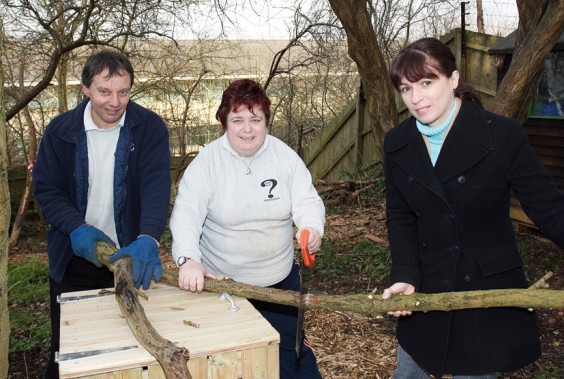
Nursery Manager Nick Houghton, trainee Debbie Cockette, administrator Karen McVeigh

For many people, Redditch town centre is a place to park, shop with relative ease, and then get back in the car to head home.

They rarely step into the open air outside the shopping centre except perhaps for the occasional trip to a bank or particular shop.

So it might be a surprise to discover an oasis of green activity within the ring road providing an invaluable service to an area stretching from Birmingham to Droitwich.

“I think we’re unique,” says Karen McVeigh, administrator with the Where Next? charity. Karen, who lives in Alvechurch, explains that Where Next? offers work experience and training to people with learning difficulties, mainly from Redditch and Bromsgrove.

“The name came about because the people who are our trainees might have been looked after at school and then college, but after that, where next?

“The aim is that if possible the trainees can go on from here into a job. We put them into a place where perhaps they are able to be employed.”

Where Next? also supplies a lively, friendly place which develops social skills for around 70 trainees at any one time while producing horticultural goods for sale in the on-site shop.

Other sides of the Where Next? business are:

* Shades of Green, which specialises in landscaping and garden maintenance

* Where Next Industries, which carries out contract work such as assembly or packing at a nearby site and also manufactures a range of garden products such as bat boxes for sale in the shop

* Where Next Training, which offers certified courses to take trainees towards gaining an NVQ.

Where Next?, established in 1984, clearly provides a vital service for the area, so much so that Karen says they are “bursting at the seams”. This is why, on its 21st anniversary, Where Next? launched an appeal to raise £1.9 million to build a new centre on adjacent land owned by Redditch Borough Council.

The building (pictured above) would give Where Next? the chance to expand and further improve its work while also creating a facility for other groups to use.

Where Next? general manager Graham Clark, who also lives in Alvechurch, told The Village the community fundraising was going well.

For example, one man asked his friends and family to donate to Where Next? instead of giving him birthday presents, raising about £1,300.

“We are now looking for the commitment from some of the bigger funders,” Graham added.

Where Next? is off Easemore Road, Redditch. Tel: 01527 69955.

Above: Nursery Manager Nick Houghton, trainee Debbie Cockett and administrator Karen McVeigh

In his father’s footsteps

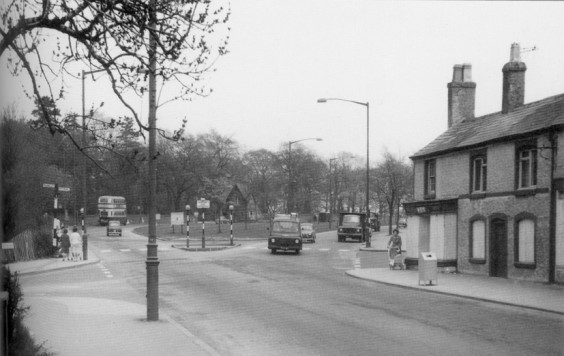
Rubery before flyover

How a photographic odyssey brought Mark Norton closer to the father he never knew.

During the 1950s and 60s, Mark’s father, Dennis Norton, took hundreds of photographs of Birmingham, recording every corner of the city just before the massive programme of redevelopment changed it almost beyond recognition.

Sadly, Dennis died nine weeks before his son was born, and it was not until almost 50 years later that Mark decided to embark on his own photographic journey around Birmingham, visiting the same locations and creating his own record of the modern city.

Mark has now published both sets of photos in Birmingham Past & Present – In My Father’s Footsteps, a fascinating book highlighting the dramatic change from Victorian and Edwardian architecture to the concrete jungle of the 60s and 70s, through to the latest cycle of redevelopment.

Those who can remember the Birmingham of the 50s and 60s will enjoy the nostalgic value of the book, while younger readers will marvel at the scale of the changes.

Mark, who now lives in Bromsgrove, says the project allowed him to view Birmingham through his father’s eyes, and discover a new-found fondness for the city – a worthwhile legacy indeed.

Mark’s book is priced £12.99 (ISBN 9780 7509 4504 2) and is available from Waterstones, WH Smith or by visiting https://www.suttonpublishing.co.uk

Above: Rubery in May 1962, before the A38 flyover was built.

Looking great!

0

Spruce up your indoor and outdoor space this spring with our expert tips and ideas to inspire.

Spring is the perfect excuse to carry out some home improvements, whether you want to transform your living space with an interior makeover, develop green fingers in the garden or get the tools out for a DIY project.

Coming up with the ideas is the fun part, but larger projects require expert assistance – and there are plenty of people and companies who can help bring your plan to fruition.

Interior designer Mary Barber Fray explores some of the main trends for spring . . .

It’s that time of year again, when the major design houses launch their new spring interiors collections. Fabrics, wallpapers, trimmings, lighting and decorative accessories have all been previewed at the major trade fairs, and will very soon be appearing in interiors magazines and our homes.

Trend forecasters would say that we live in an age of cosmetic artifice, so we are seeking out iconic and vintage design with a contemporary feel or finish, underpinned by a mood of “regeneration and preservation”.

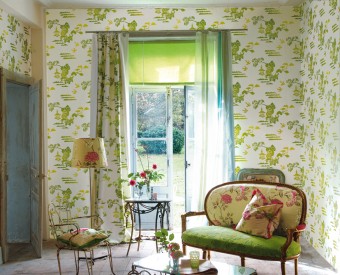
What this means in real terms is an explosion of colour and striking designs. Bold, stylised florals and large-scale dramatic patterns in vibrant shades are a key look for
this spring.

Eighteenth and nineteenth century damask designs are scaled up on wallpapers printed with rich, iridescent inks and metallic finishes.  Magnificent statement patterns and traditional motifs on both papers and fabrics are being produced in glowing, contemporary colour combinations. 

Traditional toiles are being rethought, and appear printed or embroidered in quirky and unconventional ways. Pretty spring pastels become more edgy with an injection of sharper, graphic patterns. 

Interior ideas

Embroidered fabrics utilise a medley of colour combinations to bring them bang up to date, while cut velvets have a distinct mid-twentieth century feel.

Even the most tasteful neutrals on their own have had their day, and are now enlivened by a pattern on a decorative cushion, a lampshade or a piece of upholstered furniture.

Key to these reinterpretations of classic or vintage designs is the variety of textured grounds and a vivacious colour palette.

Silks of all types really are back in favour, both printed and woven, while linens and cottons appear with pearlised or metallic effects, giving them a modern edge.

Trevira, a modern fabric widely used in the contract market, is now finding its way into the new collections as a practical and beautifully draping, colourfast alternative to silk.

Cut velvets abound. Bold pinks, oranges, aquas, raspberry and lime greens predominate, with metallic silvers and bronzes overlaying more dramatic charcoal, chocolate, navy and deep aubergine.

You can introduce some of these new trends by adding a colourful patterned rug to an otherwise plain room, some new cushions or a simple blind in a bold pattern, or perhaps reupholster a chair in a striking design. Be warned, however – there can be too much of a good thing!

For maximum impact, restrict yourself to one or two really dramatic items in a room, and build up more colour or drama with vibrant plain colours or backgrounds to offset them. 

Call Mary on 0121 445 6500.

The exterior of the house needs looking after too. . .

As well as inspiring us to redecorate or at least spruce up our homes, the start of spring is also the ideal time to take care of some home maintenance.

Britain may not suffer from extremely harsh winters these days (apart from February 8 and 9 this year!), but cold wet weather can cause a range of problems that will need sorting out in spring.

General tidying up of the garden will probably be required, to remove dead plants, moss or algae on paving or decking, and debris such as leaves and branches blown around the garden in windy conditions.

Large trees and bushes may need pruning to make sure there are no loose branches about to fall on unsuspecting garden users!

Wooden fences and gates may also have taken a battering over the winter, with cracks caused by wind damage or frost, and it’s worth checking garden walls for loose or crumbling bricks.

On the house itself, the roof is the first place to look for signs of damage such as cracked, loose or missing tiles or slates – but it’s best to stand in the garden and check the roof through binoculars rather than climbing up there yourself. Pay particular attention to flat roofs which are more susceptible to weather damage.

An easier method is to check the roof from the inside, in the loft. Look for any moisture or surface discolouration that would indicate a leak. Roofing maintenance is not a job to be tackled by DIY-ers, however enthusiastic – always call an expert to carry out any repairs.

Householders should also check gutters and drainpipes for signs of damage or blockage, since a build-up of leaves or other debris will prevent proper drainage and cause guttering to overflow. A drip or leak can wear away mortar, paint or rendering from the wall, eventually leading to damp.

Gutters should be cleared out regularly, or you could fit wire mesh over them to prevent a build-up of debris.

Examine soffits and fascia boards to make sure they are not soft or rotting, as this may mean rain is being allowed into the loft or the tops of the interior walls, and also check that there are no air-brick blockages which can lead to condensation and damp.

Exterior paintwork may be cracked or peeling, and if doors or windows are difficult to open, their seals may no longer be intact. Replacing or repairing these is a good way of insulating the home and thus saving money and energy.

Inside the house, make sure your gas and heating systems are working correctly – they should be inspected and serviced regularly by qualified engineers, while electrical installations should be checked every 10 years or so.

Gardening expert Hannah Genders guides you through some of the jobs to be done in March . . .

March is really the start of the season when we can get out in the garden, whether we are new to gardening or have been doing it for years. Here are a few tips to help you with some of the jobs that need to be done this month:

*  In the flower borders, you can split perennials that have grown too large – dig them up and pull them apart either by hand or using two forks back to back. Replant all the smaller clumps apart from the centre of the plant and give any leftovers to your friends!

*  Weed all bare soil and dig out any perennial weeds.

*  Mulch all the bare soil areas using a good wood chipping, home-made compost or well-rotted farmyard manure when the soil is starting to warm up – this feeds the plants and helps cut down on annual weeds. The plants will thrive.

*  March is the time to prune your Buddleia or “butterfly bush”. Cut it back hard to avoid the leggy growth and ensure plenty of flowers.

*  In the vegetable garden you can now prepare the seed beds, and later this month do some early sowings of salads under glass as the soil warms up.

*  Most root crops can be sown this month; do them in succession, planting a small amount every few weeks to ensure a steady supply through the summer.

*  Dig in some well-rotted manure and plant out your early potatoes that will have been chitting or sprouting on a warm window sill.

*  Don’t forget to enjoy the bulbs and lovely new growth showing that spring is well and truly under way!

‘Worst-kept’ contender

0

As I wander around this picturesque village every day with my beloved dog, I am getting more and more concerned about the state of the verges and footpaths.

We are so lucky to live away from the city and the problems that come with living in and around it. We are surrounded by beautiful views and our children can grow up in a rural community which, let’s face it, is better than most can hope for.  So why am I concerned?

This village has real problems which need to be addressed: dog mess and rubbish. I for one am sick of my children coming home with their shoes and bikes covered in someone else’s dog mess.

Over the last couple of weeks I have had to clear it from three pairs of shoes, one push bike and two pairs of trousers.

I’m sure people know the dangers of it where children are concerned and also how disgusting it is to have to clean out the tread on shoes and trainers.

Also, to all those people who take the time to pick up their dog poo in a bag and then fling the bag in a hedge or tree – why?

Finally, what’s wrong with using bins or taking rubbish home? It’s a danger to wildlife and it looks unsightly.

Let’s face it, at the moment Alvechurch would have more chance of winning the Worst-Kept Village Award.

Let’s make our village look beautiful and take our rubbish home or dispose of it safely.

Name and address withheld

Digby comes to dinner

John, Digby

‘Alvechurch lad’ and former Director General of the CBI Sir Digby Jones (right) joined John Williams, Chairman of the Where Next Association at a fund-raising dinner at The Abbey Hotel.

The event was raising money for the Where Next? £1.9 million building appeal, of which Sir Digby is a patron. Among the entertainment at the snow-hit event was Magic Bob, of Hopwood.

Barnt Green banks on office

0

Barnt Green Parish Council is hoping to negotiate a deal to take over the former Lloyds TSB bank premises in the middle of the village for use as a parish office.

The bank closed last November despite strong protests from residents, but the parish council is hoping that some good will come from the closure by taking on the remaining three years of the lease on the premises.

Council chairman Elaine Buckett confirmed they had held talks with Lloyds TSB and the council was now hoping a deal could be struck.

“There is so much we could do with it to bring everything closer to the residents,” said Coun Buckett, although she stressed it would not be a “drop-in centre”.

The lease would be a “stop-gap” while the council looked for a permanent office to buy using a loan facility which had already been approved.