Home Blog Page 64

A decade of expert eyecare

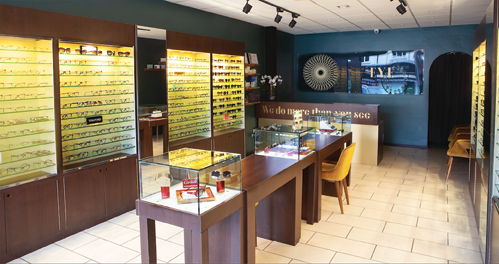
interior

ADVERTISEMENT FEATURE

Eye Opticians of Barnt Green celebrates its 10th birthday with a brand new look.

It’s 10 years since Eye Opticians opened a branch in Barnt Green’s Hewell Road, and countless villagers have had their eyecare needs looked after by Shafik Haji and his team.

The practice is now sporting a smart new look, but the friendly service and wide choice of affordable and designer frames remains constant.

“We believe in giving the best service and going out of our way to make customer satisfaction a priority,” says Shafik, who qualified as a dispensing optician more than 30 years ago and founded the original branch of Eye Opticians in Edgbaston.

“From the eye test to choosing your glasses, we aim to make the journey enjoyable and fun, as well as giving the customer the best product for their needs.”

Eye Opticians offers some of the best frames from around the world, along with quality Japanese and German lenses at the most competitive prices – all backed with a two-year guarantee and offer price guarantee.

Prices start at just £49 (frames and lenses) for those who want simple glasses that are still on trend. Along with exclusive brands like Cartier and Chanel, the designer collection has grown to encompass the likes of Gucci, YSL, Tom Ford, Oliver Peoples, Etnia and Modo.

shafik
Shafik Haji

Shafik has recently introduced new brands from France and Italy designed specifically for women, such as Res Rei, Lara D and Coco Song. For gents there are brands like Lindberg, Starck, Jf Rey and Cutler & Gross. Meanwhile, children’s frames start from £9.

Services include standard eye examinations, enhanced eye examinations, dry eye clinics, and a full contact lens fitting service including varifocal contact lenses. Eye Opticians also provides clinics to diagnose and manage conditions like visual stress and photo-sensitive migraines.

The firm is always investing in the latest technologies for both Barnt Green and Edgbaston, to give the most advanced eye examinations.

Equipment such as the VisionX 120 diagnostics, Heidlberg Spectralis OCT and Zeiss HF3 visual fields screener is the gold standard – as used in eye hospitals – for the early detection of glaucoma, macular degeneration and other conditions. By monitoring changes over time the prognosis is much better.

And it’s not only clients’ eyes that are looked after – Eye Opticians even supplies and fits hearing aids in partnership with The Hearing Care Partnership.

Shafik would like to thank customers for their support over the past 10 years: “We’ve enjoyed every minute of being in Barnt Green and we’re hoping to celebrate 20 years here!”

To celebrate this milestone, Eye Opticians is giving customers a special offer (see below), and also holding an Open Day at the Barnt Green branch on Saturday April 6. Pop along between 9am and 5pm to see the latest collection of Tom Ford frames and sunglasses, and take advantage of special offers and a prize draw.

28 Hewell Road, Barnt Green: 0121 445 4545
44 Islington Row, Edgbaston: 0121 456 5676
https://www.eyeopticians.co.uk
Follow us on social media: @eyeopticiansgo 

Share scouting memories

scouts

Marlbrook resident Mike Dodman, whose family has a three-generation connection with the 1st Lickey Scout Group, is trying to document its history – which dates back more than 100 years.

He is very keen to make contact with any former scouts who were in the group in the 1940s, 50s, 60s or 70s, who are still living in the local area and would be willing to chat about their memories. Readers may remember meeting at the Scout Hut on Rose Hill (now a private house) or helping with the group’s successful fundraising jumble sales.

Mike also wants to try and find a family with a four-generation link with 1st Lickey. The eventual aim is to publish the group’s history online.

If you can help, contact Mike at mfdodman@gmail.com, 0121 445 2663 or 07866 389528.

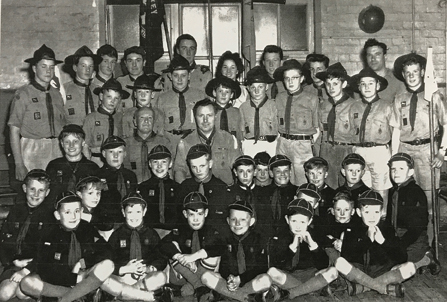
Above: The Scout pack in November 1961, with Scoutmaster Howard Squire in the centre. Mike tells us that Howard lived on Rose Hill and was a WW2 Spitfire pilot (although he spent much of the war in a POW camp).

He was a teacher before and after the war. His wife was also a teacher, at the C of E infant school at the top of Rose Hill – this building became the Scout Hut from the 1950s to 2005.

Ringing the changes of the new tax year

bell

Martin

ADVERTISEMENT FEATURE

Tie up loose ends and plan for changes to savings and pensions, writes Martin Pryor.

The tax year 2018/19 ends on Friday April 5, which means it’s time to start planning for the new tax year and tie up the loose ends of the old one.

Planning for the new tax year is now affected by the shift of the Budget schedule to autumn. The result is that changes announced in October, or in Scotland’s December Budget, have now passed into legislation in time for the new tax year. So, what does 2019/20 hold in store?

A higher personal allowance
The first £12,500 of income for most people in the UK will be free of income tax from 6 April 2019.

An increased higher rate threshold, outside Scotland
The higher rate income tax threshold (the personal allowance + the basic rate band) will rise to £50,000 for England, Wales and Northern Ireland. This considerable jump of nearly 8% could mean it is worth reviewing how married couples and civil partners own their investments to ensure income falls into the right hands. In Scotland, the threshold stays unchanged at £43,430.

An increased national insurance contributions (NICs) upper threshold
The UK-wide upper threshold for full rate NICs (12% for employees) will also increase by nearly 8% to £50,000 from 6 April, potentially clawing back some, or in Scotland, almost all of your income tax savings. However, the increase does offer more scope to potentially gain benefits from salary sacrifice arrangements for pension contributions.

Personal pensions
The lifetime allowance will rise by almost £25,000, to £1.055 million, for 2019/20 – roughly enough to buy a 65-year-old a guaranteed inflation-proofed income of around £34,000 a year, based on current annuity rates.

The annual allowance and its associated taper limits remain unchanged. So it’s all the more important to check whether you have any unused allowance from 2015/16 to carry forward before 6 April arrives, given you can only carry forward the previous three tax years, and the opportunity disappears.

Employer pensions
The minimum level of pension contributions for automatic enrolment increases from 6 April 2019. For employers, the minimum rate rises from 2% to 3% of ‘band earnings’ (£6,136–£50,000 in 2019/20), while employees must pay enough to bring the total up to 8% including tax relief. As the band’s upper limit has risen in line with the NIC upper threshold, there is a double sting if you earn above £46,454.

Individual Savings Accounts (ISAs)
Only the Junior ISA investment limit will increase in 2019/20, and that by only £108 per year. It will be the third successive year the overall ISA limit has been fixed at £20,000, a reminder of the wisdom of contributing as much as you can each year (including 2018/19, if you have not already done so). One popular ISA variant, the Help-to-Buy ISA, will disappear for new investors (aged 16 upwards) from December 2019.

Capital gains tax (CGT)
The CGT annual exempt amount increases to £12,000 in 2019/20. The new annual exempt amount could result in a potential tax saving of up to £2,400 (£3,360 in the case of residential property). If you have not used your 2018/19 exemption, combining the two with sales straddling the tax years could remove £23,700 of gains from tax. That might provide the funds to top up ISAs and pensions.

The value of tax reliefs depends on your individual circumstances.

Tax laws can change.

The Financial Conduct Authority does not regulate tax advice.

The value of your investment, and any income from it, can go down as well as up and you may not get back the full amount you invested.

For specific tax advice please refer to your tax specialist or accountant.

Contact Pryor Portfolio Management for more information:
Tel: 07961 162818
martinpryor@ppm-ifa.co.uk
https://www.ppm-ifa.co.uk

Soggy start to spring

rain

Phil

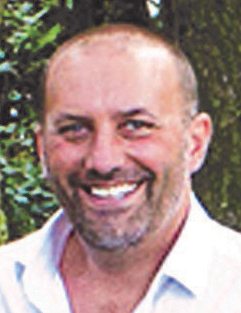
Alvechurch amateur weatherman Phil Thomas records the changes.

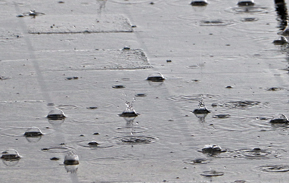
March brought quite a change from the spring-like weather of February, although temperatures stayed above average despite the wind and rain. There were a few ground frosts to start the month, but no cold weather to really mention – very different from last year’s heavy snow. It had been very wet up until the 20th, especially on the 5th (16.3mm) and the 12th (16.2mm).

March 2019 (to the 20th)
Mean Max  10.8C  0.8 above average
Mean Min   4.2C   1.8 above average
Mean        7.5C    1.3 above average
Rainfall   68.7mm   153% of average
Sunshine  47.9 hrs  51% of average

There was a very cold start to February, with a hard frost of –5.2C on the 3rd. It then became more changeable and wet up to the 10th, but was drier with little rainfall (1.9mm on the 18/19th) until we had 3.4mm on the last day of the month. The most noteworthy thing was the level of sunshine– 115.6 hours in Alvechurch, 191% of the local average.

February 2019
Mean Max  11.1C  3.8 above average
Mean Min   1.7C   0.8 above average
Mean       6.4C   2.3 above average
Rainfall     38.4mm  73% of average
Sunshine 115.8 hrs  191% of average

Winter 2018–19 (Dec, Jan, Feb)
Mean Max  9.0C  2.0 above average
Mean Min   2.3C   0.8 above average
Mean        6.4C    1.4 above average
Rainfall   184.1mm   97% of average
Sunshine  298.9 hrs  187% of average

Outlook
There is considerable uncertainty in the April forecast, but during the first week it looks most likely that changeable conditions will become established. Wet and windy weather may be interspersed with drier and brighter spells.

By the middle of the month, there is a possibility that more widely-settled weather may return. Temperatures will probably start off a little warmer than average, but may fall nearer to normal for a time early in the month.

More information at www.alvechurchweather.metsite.com  
You can see an improved HD weather-cam, updated at one-minute intervals, at: www.alvechurchweather.metsite.com/webcam_alvechurch.php

Making every game count

0
action
Action from the match at Leiston (Photo/ Ian Macvie)

Alvechurch FC move into a crucial phase of the season.

As we went to press, Alvechurch FC were sixth in the league with two games in hand, and still hoping to make the play-offs.

The team had a rather depleted February with only three matches played. The well-documented postponement away at King’s Lynn was followed by two must-win home games. Basement club Bedworth Town visited Lye Meadow and a dominant ’Church performance secured the points with a comfortable 3–0 victory, the highlight being a superb goal by Taylor Morrison.

This was followed by a performance against Biggleswade Town that many claimed was the best under the current management team. A 2–1 victory was the least they deserved against a very strong side that had beaten AFC convincingly earlier in the season.

The one blip during the month was a disappointing 2–0 defeat away at Leiston. In a game of few chances, two Alvechurch errors gifted the opposition their goals and it was a long journey home for everyone who made the 400-mile, eight-hour round trip to the east Sussex coast.

March began with a 1-1 draw at play-off rivals AFC Rushden & Diamonds, then an important 4–2 home win over struggling Lowestoft Town.

Unfortunately the rearranged fixture at King’s Lynn ended in a 1-0 defeat.

The vital away game against Stourbridge FC has been switched to Friday April 19 (Good Friday), with a 7.30pm kick-off. Stourbridge have wanted to experiment with Friday night football and asked for a switch, and ’Church were happy to oblige.

Due to continued success on the pitch, Lye Meadow must be constantly upgraded to keep up with FA ground regulations. At each level, the ground has to meet more stringent rulings. The main stand has been extended to accommodate more seating and the changing rooms have been enlarged to new regulations ensuring step 3 football will be played at Lye Meadow next season.

* Alvechurch FC won the league’s Team of the Month award for the first time thanks to their success in January. Despite losing to Banbury on New Year’s Day, a run of good results secured 13 points from a potential 18.

Brothers Kyle and Taylor Morrison both won awards for February.Central defender Kyle was declared Player of the Month, a testament to his recent dominant performances. Taylor scooped Goal of the Month for his strike in the vital 3–0 win against Bedworth – a strong run down the left flank before cutting in and shooting across the keeper.

Alvechurch have bolstered their forward line by signing Joe Phillips from Welsh League side Aberystwyth Town. Joe has been training with Alvechurch for several weeks but had to wait for clearance from the Welsh FA before making his debut. With the long term injury to Lee Chilton, Joe is a welcome addition to the squad.

The midfield has also been strengthened by the signing of Tom Tonks from Stourbridge FC. As well as offering different options in midfield, he also takes a long throw-in which is yet another attacking threat.

Manager Ian Long wants to add more firepower, and has put in a seven-day offer for proven goal scorer Levi Rowley, currently playing for Bedworth United. If this bid is successful he could play a vital role.

Former Alvechurch under 18s manager Tyrone Henderson and first team coach Oliver Harthill have taken over the management role at Midland Football League Division 1 side Littleton FC. The pair have already made an impact with experienced new signings and climbing out of the relegation zone with some impressive results.

* Suited & Booted returns to Lye Meadow on Sun May 26, featuring seven live bands, a reggae room and DJs from 10am until late. Early bird tickets available for £10 or pay on the door (£20). Full details at www.suitedbooted.co.uk

* For more info or sponsorship enquiries, please contact Trevor Ball at saintsarehot2@btinternet.com or visit www.pitchero.com/clubs/alvechurch   Follow the club on Twitter @Alvechurch1st

FIXTURES
All league fixtures unless stated

Tues Apr 2  Leiston (H) 7.45pm

Sat Apr 6  Kettering Town (A) 3pm

Sat Apr 13  Coalville Town (H) 3pm

Fri Apr 19  Stourbridge (A) 7.30pm

Mon Apr 22  Banbury Town (H) 3pm

Sat Apr 27  Needham Market (A) 3pm

Cup success for village U10s

team

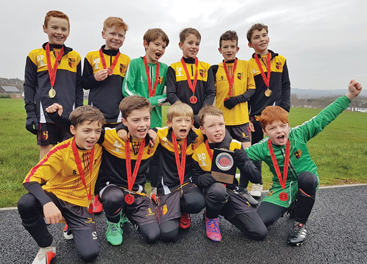
Alvechurch Athletic FC U10s triumphed in the Central Warwickshire Youth Football League Winter Cup Winter Cup after a nail-biting final against Silhill Saints U10s.

Alvechurch dominated the first half with plenty of shots but no goals. Then, 30 seconds from half time, the opposition scored. But after a shaky start to the second half, Alvechurch grabbed a scrambled equaliser and went on to blast home another three to earn a well-deserved 4-1 victory.

The team was formed four years ago as part of the Alvechurch FC Youth section, and has a great team spirit and plenty of talent. Next season they will start playing 9-a-side and need to recruit a few more players.

Trials will take place during training sessions on Thursday evenings throughout May – if your child is currently in Year 5 and is interested, contact the manager Andy Padmore on 07500 125880 or andypadmore@googlemail.com

Success for rugby festival

teams

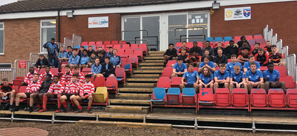
An Emerging Schools Festival for Year 10s took place at Kings Norton RFC, Hopwood Park, as part of the Greater Birmingham RFU Team’s mission to support and promote rugby in Birmingham senior schools.

Kings Norton RFC volunteers, Kings Norton Juniors President Ron Bunce and Club Secretary Ian Nelson supported the event by preparing the pitches and clubhouse.

The students from four Birmingham schools all enjoyed their experience at Hopwood Park and the club hopes to support the programme again in future. Ron Bunce said, ‘’We would be pleased to have the boys join us at Kings Norton RFC, where we have teams for boys and girls in all age groups and need more players’’.

More information from Jim Williams on 07905 342510 or email wjames177@hotmail.com

Caterpillars and snails

snail

Mary

Mary Green reminds us of the important role played by ‘pests’.

Following last month’s article about hedges (and the lovely reader’s letter that echoed it), I have been horrified by some of the roadside hedge cutting done this winter. I turned off the canal down Grange Lane near Alvechurch which had hedges flailed right down like pieces of Weetabix, and the birdsong went absolutely silent.

Down Scarfield Hill, once a really old varied hedge with woodland flora underneath, it’s been chopped down square to under a metre – only a foot high in some places. It’s set back from the road with a decent verge, so wasn’t causing any danger to traffic. Then I found the same in Cofton Church Lane, a really quiet dead-end lane.

It must be deliberate. These hedges will be useless for removing diesel particulates or hosting insects and birds and although they will grow back, the shape and structure of the trees will have been ruined.

I wrote last month about wrens, but all common birds have amazing habits and stories. The way they lay and hatch their eggs is fascinating. For a start, why lay eggs, which are vulnerable in the wild, rather than keep them safe and warm in their bodies like mammals do?

The answer is that birds need to keep the weight low so they can fly, and they have too hot a body temperature for young.

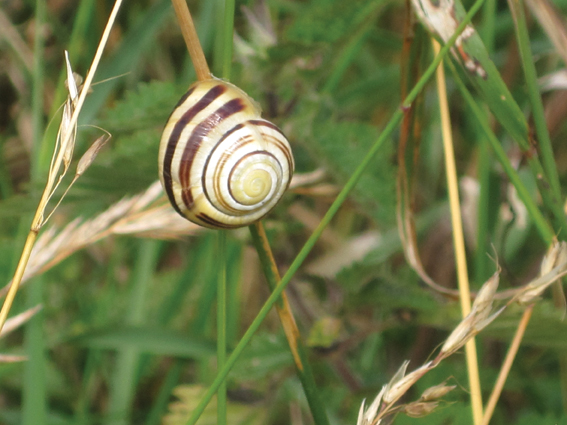
Eggs need shells to protect them, so birds have to eat a lot of calcium. They get much of this from eating snail shells. One of the reasons that some birds are in decline is the lack of snails, killed off by our habits.

Some of our most common birds, great tits and blue tits, have complicated ways of making sure their eggs hatch and chicks grow. They can delay fertilisation for up to a week after mating. Once the eggs are laid, they can grow or lose feathers on their breasts to warm or cool their eggs and control their hatching.

They are waiting for the hatching of the specific caterpillars their chicks feed on, the winter moth, which feed on fruit trees, whose leaves’ arrival is dependent on the warmth of the spring. It seems strange: when the weather is cold they don’t warm their eggs so much, but when it’s warm they warm them up.

This is to delay hatching in cold weather, and speed it up when it’s warm and the caterpillars will be there. Birds vary in how fully developed they are on hatching: blue and great tit chicks are still naked and blind when they hatch. But the parents’ clever timing means they have a good chance of survival.

Some birds are even cleverer than this. Different groups of cuckoos lay different patterned eggs to match those in the nests of the birds whose nests they lay eggs in. In return, some potential host birds have evolved complicated patterns on their shells to stop cuckoos imitating them.

Cuckoos depend on the tiger moth caterpillar especially, so we lose them where there isn’t their preferred insect food, as well as where the host birds disappear through lack of habitat. As April comes, think about all this going on in the hedges around you, and hope a cuckoo comes around Bittell as it has in recent years.

The mention of caterpillars and snails is a reminder of some of the wildlife we tend to destroy or at best neglect. It has been estimated that we are losing insect species at twice the rate of birds and mammals. Yet there are campaigns to save tigers and elephants and red kites, but not for insects.

We all love insects when they are pretty, like the butterflies we see at this time of year. I look out for the first brimstone (pale yellow) – which I saw in February this year! – and orange tips, and see tortoiseshells and peacocks emerging from hibernation. Even so, some gardeners will destroy caterpillars in their gardens and then try to attract butterflies to pollinate their flowers!

Nobody likes slugs and snails, it appears, and a particularly nasty kind of slug killer is only now being banned in this country. The same is true of gnats and midges, flies and ants. Look in any garden centre or hardware store and it’s full of products to kill them. Yet people put up bat boxes, having destroyed their food.

There’s a lovely line in the film Nine to Five where a woman reads through her shopping list: “. . .cat food, dog food, ant spray, rat poison.”  That just about sums up our odd attitude to animals.

So, it’s not surprising that the reasons given for declining insect numbers include habitat (which we destroy usually for convenience and profit), pesticides (which we use on purpose), pollution and climate change (which we have done accidentally).

Most people only notice the lack of insects when they see that their windscreens and headlights don’t get covered with squashed flies in the summer. Or they worry about honey bees, without realising that hundreds of other insect species also pollinate plants. Even I find it hard to love midges in Scotland!

Does it matter, since insects are a nuisance to our lives? It does. They are a crucial part of ecology, providing food for birds and small mammals as well as pollinating flowers without which we wouldn’t have vegetables and fruit. Each insect, each type of butterfly, has its own preferred plant food, so we need the diversity of our natural habitat, not to pick and choose plants and “weeds”.

One of the problems is that we have tended to see Interlinked nature as a hierarchy. In medieval times it was called the Great Chain of Being: starting with God and other heavenly bodies, going through humans to the higher animals (mammals and birds) then lower animals like snails and insects, then plants at the bottom.

Christians were supposed to respect the whole chain as being necessary and interdependent, but not to see the elements as equal. Noah only saved animals, not plants. While we were only capable of killing small numbers of animals and plants, this probably worked on the surface, although even early farming methods and hunting changed habitats and led to loss of species.

Today people still seem to see nature like this. We are aware of the need to conserve wildlife, but we usually mean mammals and birds, not insects and plants. We know that whole complex habitats are needed for health and sustainability, but we carry on using insecticides and herbicides and flailing hedges.

Really, the order should be reversed. Plants are most important as they make up the basic habitat. Then the small creatures like insects and molluscs, and the plankton and krill in the sea, build up the next layer of existence. Only if we have them do we have the habitat for birds, red squirrels, red kites and Sumatran tigers. And us.

Intensive agriculture is the prime reason for loss of habitat. Only a small part of the planet has been built on for cities or concreted over as roads, but a lot of it is farmed. Some methods of farming, like raising cattle and sheep on rough pasture and unsprayed meadows, are fairly sustainable: they don’t deplete the soil and they make good wildlife habitats. Too much intensive stock rearing, though, leads to pollution of air, soil and water.

Arable farming is worse, as it leads to destruction of trees and hedges, herbicides killing “weeds” (i.e. native wild plants) and pesticides killing insects. Half of our farmed land no longer provides the earthworms that thrushes need. It worries me that people can see the issues with farming meat, but not wheat and soy beans and rice.

I must admit I haven’t given enough attention to insects and will try to learn more about them. In my pictures, some of the bees may be hoverflies! We can start with the interesting St Mark’s fly which comes out in April – it’s large and black with trailing legs, looking a bit dangerous but quite harmless. It loves untidy flowering hedges and hangs around field gateways. Or we can look at the lovely anthills by Scarfield Dingle (a field of old pasture, “unimproved”) and hear the green woodpeckers that feed from them.

You can help in your garden by leaving untidy piles of woody and leafy bits, planting lots of native flowering plants and some foreign ones that flower earlier and late in the season, getting rid of mown lawn and, of course, not using “pesticides.”

I wrote the poem in spring last year, in Peck Wood. I hope our lovely early spring continues this year.

Blue
Blue is not sad. Blue is the colour of joy
I stand in the middle of the wood
Blue surrounds me, my nose full of scent
My eyes a-dazzle, a-dance, alive
Under the huge oaks, golden green
Rising with life after the long winter
Branches curling, arching, embracing
Curvy, unlike the straight ash and beech
A womanly tree, not the male of legend.
The bluebells grow from its roots, the sky
Grows from its tips, the pale forget-me-nots
Mist over where the blue was lacking.
The deep valley was carved by ages but
People’s work has made this wood, kept it
Like a huge flower in their hands
Cupped and overflowing with blue
For me to stand, and claim my life back from winter.
Natural water swimming

pool

Hannah

Hannah Genders explains the benefits of an all-natural pool.

There is a real craze at the moment for wild water swimming or swimming in natural water – I think it may have started with the wonderful book Waterlogged by Roger Deakin. In it he journeys from one end of the country to the other via any outdoor swimming places, from rivers to mill ponds and the sea.

His own story is fascinating, as he lived in a moated house and swam in the moat every day. He was also responsible for the Common Ground movement which celebrates local diversity and helped to save many of our heritage orchards. Sadly, he is no longer alive, but if you haven’t read it, do get the book – all of his writing is excellent.

Anyway, I digress. The passion for swimming in natural water has become so popular, I believe, because it brings us close to and in touch with nature. We are all realising now how toxic chlorine and the other chemicals are in a normal swimming pool – I’ve had a number of people tell me they can only swim in a chlorinated pool once a week because of the effect on their skin.

As some of you will know, we have converted a chemical pool into a natural swimming pool (above) – or probably more accurately a swimming pond, as in my situation I am reliant on the plants to do the work of cleaning the water.

In its simplest form, the plants grow and take out the nutrients in the water (we know plants do this from the soil). This cleans the water and it is then pumped back into the swimming zone. The plants are kept clear of the swimming zone, so you swim in naturally cleaned water but not in weed or mud like normal outdoor swimming.

As with any water feature it is very wildlife-friendly. Ours has newts, both great crested (a protected species) and smooth; dragonflies; a few frogs (but not many); and great diving beetles, to name a few. Once the plants grow up it’s beautiful and flowers throughout the summer. The combination of plants is absolutely key to making this type of pool work and I’ve found it fascinating to learn about a whole new area of horticulture that I didn’t know before. It’s such a massive subject that you can never know it all.

The maintenance is quite straightforward. Like any gardening work, the plants need cutting back in spring and autumn and the leaves removed – you are trying to create as clean a system as possible to prevent algae build-up.

Most people ask about temperature; you can heat these pools, which most people do with solar power or renewables. Ours regularly gets up to 20 degrees in the summer and as you are continually pumping the swimming water into the shallow warm water where the plants are, it warms up well. Some people cover the swimming area at night as this is the time when most of the heat is lost.

I always knew this project would be a learning curve and as with anything you do for the first time, I would do it differently next time – understanding much more the need for the water to stay in the regeneration (planted) zone for as long as possible.

As part of the ongoing adventure I have also met and am working with a company called Poolscape, who are based in Hereford and have been building these pools for more than 30 years. The technology has come over from Austria and Germany where it has been developed and used in thousands of pools, and these systems are now available here.

If you want a very clean, contemporary look, it is possible to have a natural swimming pool without the planted area – this is called a Living Pool and it means you are still swimming in chemical-free water. The technology operates on two systems: a skimmer that continually filters the water and a second system that runs a biological filter and takes the phosphates out.

My preference is for some planting, as the wildlife element for me is so much part of the experience and the planting edges look stunning. As a gardener I also find the planting combinations used fascinating; there are some fast-growing reeds that do the bulk of the nutrient uptake, grown in a clean gravel bed without soil so no nutrient is added. The water is then “polished” by other plants, particularly a water lily bed with oxygenators growing in the shade underneath.

The added benefit is that this water lily area is perfect for newts. In my pool they live in this bit most of the time when they are in the water, and I have added an oxygenator called Water Milfoil (Myrophyllum spicatum) which has a fern-like leaf – the newts lay and wrap their eggs in the leaves.

It is important not to swim in these pools with anything on your skin, such as suntan lotion, as it unbalances the water, so a shower before can be necessary. But the feeling on your skin afterwards is soft and invigorating.

I’m sure you can tell that I am a fan, particularly where people have converted an ugly, run-down swimming pool into a natural pool with all the wildlife benefits it brings, plus they are beautiful to look at.

Most of these projects are still in private homes, but there are more now in public spaces and that is a great development. The experience of swimming in one of these natural pools is so different to swimming in a normal chemical pool.

The best way to experience it is to try it, and you can do this at a place called Love2Stay just outside Shrewsbury – you can stay in an eco-lodge, camp or caravan and swim in a wonderful, natural, award-winning pool. It’s a family-friendly place too. www.love2stay.co.uk

If you are interested in your own natural swimming pool project, do give me a ring sometime.

Take-off to the future

craft
The Crew Dragon, Cygnus and Starliner vehicles
(Images courtesy of NASA)

Brian

Amateur astronomer Brian Watkiss peers into the Village night sky.

Now, where were we? Ah yes, space. Did you see the SpaceX Crew Dragon in action? Wasn’t that amazing? It performed perfectly, docking itself with the Space Station and returning to land in the Atlantic Ocean with equal precision.

Its Falcon 9 launch was like something from science fiction, with the first stage landing itself on a recovery vessel while the second stage was still pushing on to orbit. It was reminiscent of the heady days of the Apollo missions except Crew Dragon is much larger than the Apollo command module.

This month should see the launch of a Northrop Grumman Cygnus vehicle with supplies for the ISS on the 17th. This craft has to be grabbed by the ISS crew and docked manually and, looking a bit like a dustbin carrying a pair of parasols, it just doesn’t seem so sci-fi.

Then, later in the month, we should have the launch of another spacecraft designed to carry people, Boeing’s Starliner. This will be another unmanned test flight to the ISS, using a more conventional launch vehicle and, indeed, Starliner looks more like an updated Apollo but, again, much larger. Unlike the days of Apollo, it is now very easy to find out if these craft are visible here in Alvechurch: just go to www.heavens-above.com.

On a more down-to-Earth note, as it were, would you believe Mars is still visible in our evening skies? Looking south-west as soon as it gets dark, Orion is still dominating this part of the sky, although no longer centre stage.

To his right is the bright star Aldebaran and further right still are the Pleiades, much lower now and starting to get lost in the murk near the horizon. Between these last two, sits Mars, now looking more like an unremarkable star and not so easy to find.

During April, the southern night skies are dominated by Leo, just to the left of south as it gets properly dark, and Gemini, just above Orion. The twins are easy to spot with Castor sitting above Pollux, these being their heads and their bodies represented by two lines of faint stars trailing away to the right and down.

Vertically below Gemini is one of the brightest stars in this part of the sky, Procyon, in Canis Minor. Actually, this “constellation” consists of just two stars, the other sits just above and to the right and is called Gomeisa, which I thought was in the Canary Islands.

If you’re out early enough, Sirius might still be shining like a headlight further down near the horizon. Leo is easily recognised, looking like a lion standing proudly guarding his patch of sky from Orion and Gemini, with his foot on Regulus, the brightest of his stars.

In between Leo and Gemini, with some careful observing, you should be able to make out an inverted ”Y” of stars making up the constellation of Cancer. Unfortunately, none of its stars is very bright so you will need a clear sky but as ever, get out and have a look. You never know what you can see.