
Yvonne Goode tells us about her experiences of fostering and re-homing rescued dogs.
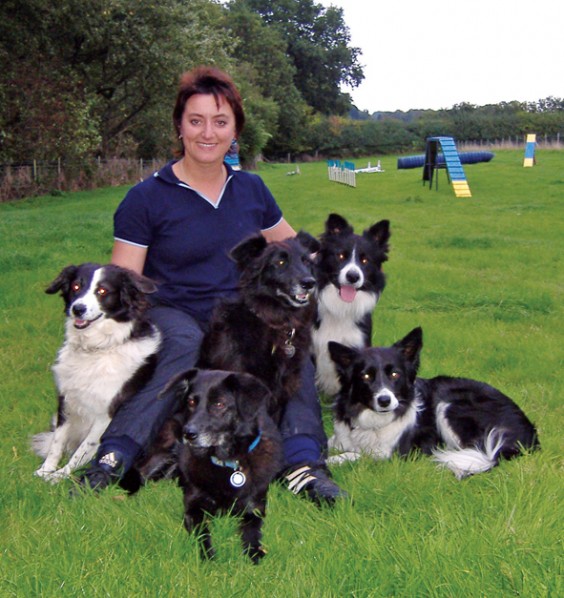
Most people locally will know me as the Clerk to Alvechurch Parish Council, but I’m also well-known to many for my love of dogs.
I do a lot of work with rescued dogs, which involves transporting and fostering unwanted dogs. I am also involved in fundraising to support the invaluable work of the rescue centres.
I’ll readily admit that I’m a very bad fosterer because I end up keeping so many of the dogs – I have eight at the moment! I have a particular liking for black dogs, which rescue centres say are the most difficult to re-home.
I have friends who are dog wardens and veterinary nurses and I know they have their jobs to do, but it’s hard for me to hear about a dog being rounded up and put down. In this throwaway society, some people think nothing of taking a perfectly healthy dog to the vet to be destroyed.
Although some people palm their pets off on family and friends while they sort out their kids, I have never had anyone ask me to look after their children while they care for a new puppy!
My pet hate at the moment is the fashion for “designer crosses”, with people paying £750 – £1,000 for a dog which is just a cross-breed.
Many dogs in rescue centres are there through no fault of their own, and some of them are expensive pedigrees bought on a whim and then discarded. Many dogs that come to me are high-energy dogs, so I need to try and find them homes where they can enjoy some type of activity such as agility, obedience training or flyball.
My main interest is agility, and all of my dogs are trained in it, competing regularly at Kennel Club events – I’m also a qualified Kennel Club judge. A number of my dogs – other people’s rejects – have competed at Crufts.
Lucy Lowe, of Townsend Veterinary Practice, advises on helping pets cope with the fireworks season:
Fireworks season is an exciting time of year for all the family – apart from your pets! Research has shown that around 80% of pets are scared of fireworks, so here are some tips to help your pets cope:
1. Make sure that the environment your pet will be in during any fireworks is safe and secure.
2. Walk your dog in the light hours, when fireworks are less likely to be set off.
3. Make sure your pets are microchipped, in case they are startled and run away or escape.
4. Provide your pet with a quiet, comfortable hiding place – they may decide to hide elsewhere, but allow them to hide wherever they feel safe.
5. Draw the curtains in any areas where your pet may be. Television or music can help to disguise the firework noise.
6. If your pet shows any fearful behaviour you should ignore it, as making a fuss of them can make the behaviour worse. However, do not punish your pet, as this can also make it worse.
7. Cats may prefer to be left alone.
8. For outdoor pets, partly cover cages, pens and aviaries so one area is well soundproofed, but ensure that they can still see out and have lots of bedding to enable them to burrow.
9. Products like pheromone diffusers can have a calming effect on your cat or dog. Many of the products should be introduced to your pet a week before they are required, so seek advice from your vet as soon as possible.
If you are planning a display at home, make any pet, horse and farm animal owners in the neighbourhood aware of the date and time of a planned event.
Build any bonfires as late as possible to reduce the chance of wild animals nesting in there. Before you light your bonfire, disturb the foundations, giving any wildlife a chance to escape.
