
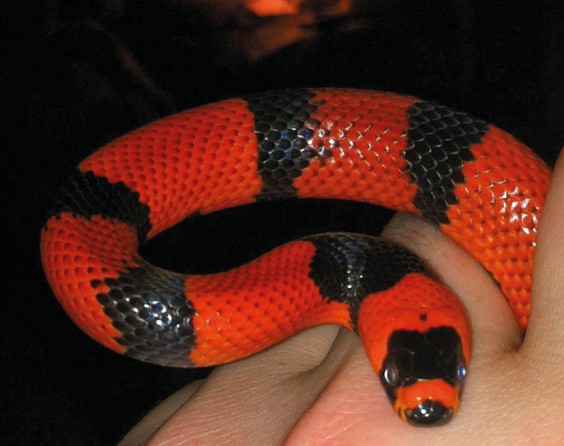
Kieran Blaber of Alvechurch introduces his unusual collection of pets. . .
I keep (and hope to breed) snakes. I got my first snake, a gopher snake, in my teens, then got back into snakes in the last year or so. I keep several types, mainly originating from America.
My American snakes include boa constrictors, corn snakes, black rat snakes (albinos), king snakes, milk snakes and Brazilian rainbow boas. I also have a albino radiated rat snake that originates from Asia and a carpet python from Australia.
Most of my snakes are yearlings but I have a few more mature snakes that I’m hoping will breed this year. They will all vary in size as adults from the 8–10 ft boas to the 4 ft king snakes.
Keeping most snakes is pretty simple as long as the right heating is maintained and proper water offered, and they have “hides” in their cages to give them security. Water should be fresh every two days and in a tough bowl large enough for the snake to fit in to bathe.
Some snakes need larger water areas to swim in, such as viperines which are semi aquatic.
Snakes are cold blooded so need a external heat source such as heat lights or mats fitted to a thermostat. They need a hot end to warm up and a cool end to cool down.
I keep my snakes indoors. They can be kept in anything from specialist cages called “vivs” to converted fish tanks or even plastic tubs along as there’s ventilation and heating, but they must have a secure lid as snakes can escape from almost anything.
Feeding snakes depends on the species. Some, like rat snakes, eat as the name says – rats and mice make up the main diet of most pet snakes but other rodents are available in stores or online to feed them with.
Some may require rabbits, fish, birds and, in the case of rough green snakes, insects like crickets and locusts. Some snakes, such as king snakes, will also eat other snakes.
It is illegal for pet retailers to sell rodents as live food so they are sold frozen, but there may be times when live food is needed.
This is a bit of a grey area as the RSPCA will prosecute those who feed live animals to reptiles (insects not included), but if a snake dies from not feeding they will prosecute owners for this too.
Not all snakes are ideal for being handled, such as Amazon tree boas, known for being aggressive and defensive. At the other extreme, royal pythons are so laid back it’s unreal.
Each snake has its own personality. Mushu, my radiated rat snake, likes to curl around your wrist and hand and have his head stroked, whereas my carpet python, Monty, is aggressive at first but soon settles down.
The boa constrictors are among my favourites as they love to climb all over me, maybe hanging their head over the peak of my cap. It’s great to watch them feed as their strike is powerful and they can eat rather large prey for their size.
If anyone reading this thinks they’d like to get into keeping snakes, I’d say research what you’d like to get, then visit a good breeder or shop like Redditch Reptiles. I can’t recommend them enough as they are very helpful and have loads of experience.
Sian Yarwood Smith of Townsend Veterinary Practice says:
Snakes are not common pets in the UK and for very good reason – they need specialist care and are not for the inexperienced! If you are considering a pet snake, make sure you do your research about the type that will suit you and your home (some species can grow to enormous sizes!) and seek advice from a specialist reptile vet.
Snakes are not cuddly pets suitable for children and should only be kept by the real enthusiast so that all their needs are met.
There is only one species of poisonous snake native to the UK, the adder, and these are most commonly seen during their active season in March–October.
They move through the undergrowth and will try to avoid humans and dogs, but will bite an inquisitive dog that sneaks up on them!
Adder bites are usually on the muzzle or legs, and mostly cause a painful inflammatory reaction, although they can be fatal.
The best treatment is anti-venom together with supportive therapy, so contact your vet as soon as possible if your dog is bitten.
GET IN TOUCH!
If you’d like your pet to feature, send pics, stories and questions to us at The Village.
Townsend Veterinary Practice
168 Birmingham Road, Bromsgrove,
B61 0HB Tel: 01527 831616
North Street Estate, Droitwich
WR9 8JB Tel: 01905 772002
95 New Road, Rubery, B45 9JR
Tel: 0121 453 5828
https://www.townsendveterinarypractice.co.uk
.(JavaScript must be enabled to view this email address)
Follow us on Facebook
