
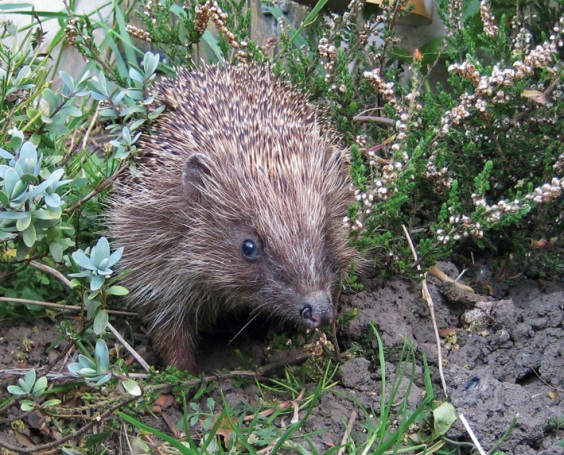
Charlie and Jayne of Willows Hedgehog Rescue explain the importance of helping our prickly friends.
When was the last time you saw a hedgehog? Once a common sight in our hedgerows and gardens, hedgehogs are fast becoming no more than a memory.
Changes in countryside management found them moving into the urban setting where they found large gardens full of insects and hedges providing safety and a place to make their homes.
That has all changed; smaller gardens, hedges replaced by impenetrable fences, tidy gardening and use of pesticides have meant that hedgehogs are now struggling to survive.
In fact, recent research has shown that hedgehog numbers have declined by a quarter in the last 10 years.
We at Willows Hedgehog Rescue are involved in the rescue of these iconic little creatures when they get into trouble, which sadly they often do in this modern world. Road casualties, inadvertent poisoning, gardening injuries from strimmers and starvation from lack of food are just some of the reasons that they come to us.
We provide them with medical attention and care until they are well enough for release back into the wild working towards our aims of Rescue, Rehabilitation and Release.
However, this is only part of the story. In order for hedgehogs to have a future we need to provide them with the habitat they need, which is in effect the habitat that benefits all wildlife. To this end we provide educational visits to schools and groups as well as taking to the road, attending events with our hedgehog stand.
May 6–12 this year is Hedgehog Awareness Week, a national week of events where hedgehog rescuers around the country, in conjunction with the British Hedgehog Preservation Society, attend events to bring the plight of our only spiny mammal to the public’s attention.
We will be attending events in the local area to raise awareness, talk about what we do and give advice, including what to do if you find an injured hedgehog.
For more details visit https://www.littlehistories.co.uk/willows hedgehog rescue.html and we hope to see you at an event!
Jessica Russell of Townsend Vets offers some extra hedgehog info:
Hedgehogs can be great visitors to your garden – they help keep on top of pests and they can be very rewarding to watch. You can help them by providing a safe environment; you can even reserve a small corner of your garden for them.
They use garden waste to make their nests (leaves, hedge cuttings etc) and their natural diet consists of slugs, snails, beetles, worms and other small invertebrates. It is possible to purchase or make hedgehog nest boxes – these should be positioned in a quiet part of the garden, hidden by plants.
In adverse weather you can supplement their food with small amounts of pet food (meat flavours only – not fish) or cooked minced meat. However, milk and bread is NOT recommended as it can give them severe diarrhoea. Always provide bowls of fresh water around the garden.
Even if you are unable to provide a special area in your garden, it is important to be aware of the hazards hedgehogs may come across. Use garden chemicals sparingly as they can be toxic to all wildlife, and avoid using slug pellets if possible. Hedgehogs may not eat the pellets themselves but they will eat poisoned slugs and snails which can be toxic.
Bonfires and garden waste must be thoroughly checked for hibernating hedgehogs before being lit. Take care when mowing or strimming – hedgehogs and other wildlife may hide in long grass or foliage.
Netting (such as that used to cover plants and fruit) or small plastic containers may cause them to get trapped or injured so this should be avoided or regularly checked.
If you have a pond, hedgehogs may go to it to drink – if they fall in they can swim but must be able to escape. Semi-submerged rocks can be provided around the edges to help hedgehogs scramble out.
If you have pets such as dogs or cats, make sure they are discouraged from playing with hedgehogs. It is also a good idea to protect them against fleas and ticks by treating them regularly with products recommended by your vet.
Hedgehogs often carry these parasites without being affected and inquisitive pets can come away with more than a few prickles in their nose!
Townsend Veterinary Practice
168 Birmingham Road, Bromsgrove,
B61 0HB Tel: 01527 831616
North Street Estate, Droitwich
WR9 8JB Tel: 01905 772002
95 New Road, Rubery, B45 9JR
Tel: 0121 453 5828
https://www.townsendveterinarypractice.co.uk
.(JavaScript must be enabled to view this email address)
Follow us on Facebook
