Home Blog Page 760

Barnt Green Plan launched

Plan is presented

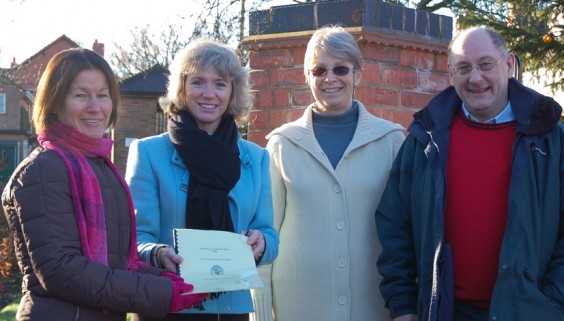
The Barnt Green Parish Plan, compiled using ideas from more than three-quarters of village households, has been presented to Bromsgrove Council for formal adoption.

The “Vision for the Future” has also been presented to MP Julie Kirkbride and Barnt Green Chamber of Trade and is also being sent to West Mercia Police and Worcestershire County Council.

The Plan makes a series of recommendations formulated over the past three years from a household survey completed by 550 households and reviewed at an open day where around 200 villagers made comments.

The topics covered range from extending CCTV surveillance to the establishment of a youth council by the parish council.

The parish council is expecting a detailed response from the district and county councils at Barnt Green Annual Parish Meeting on May 2.

Above: Barnt Green councillors Elaine Buckett, Susan Whitehand and David Gilburn present the Plan to MP Julie Kirkbride (in blue).

Letter-box mix-up

0

Dave and post box

Dave Hodgins is left holding someone else’s mail after installing an ingenious letter box and gas meter cover outside his home in Swan Street, Alvechurch.

“I bought the box off eBay because we had a new door without a letterbox and I also wanted to cover up the ugly meter,” said Dave.

“But now people have started posting their letters in it and I keep having to take them to the real postbox.”

He added: “I hope they see this in The Village and realise their mistake.”

Delicious demo

Cookery demo

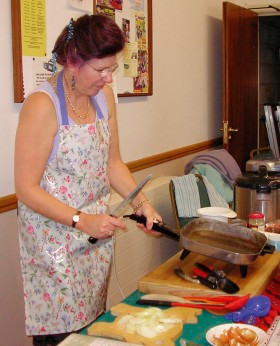
Blackwell & Burcot WI enjoyed a special Thai cookery demonstration at their January meeting at Burcot Village Hall.

Felicity Rixon, president of Hillside WI, was assisted by her husband Keith to prepare a delicious Thai green curry, which was eagerly sampled by the members.

The wilds of Worcestershire

Wildflowers

Hannah Genders offers ideas on how to bring the meadow into your garden.

We live in one of the most beautiful counties in England. Worcestershire has its own special character, both in the landscape around us and the diversity of species in its natural plants and wildlife – it’s something for us to enjoy and celebrate.

When I am designing gardens I am always keen to incorporate features and planting that reflect the special nature of the surrounding landscape.

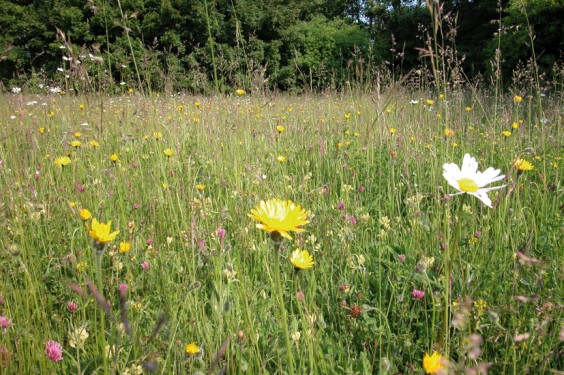
What makes Worcestershire special? One of the main things is our rich heritage of wildflower meadows; these old hay meadows have been unploughed for hundreds of years and so now contain an incredible range of different plant species.

I read somewhere that Worcestershire has more of these meadows than any other county – something to be really proud of.

In our area many of these meadows have been bought by the Worcestershire Wildlife Trust to protect them and ensure their survival for future generations to enjoy.

One of my favourites is Eades meadow near Hanbury – in the month of May the whole field is awash with early purple orchids and the colour is absolutely breathtaking.

To translate this into a garden I would always try creating a wildflower meadow in a larger garden, rather than just laying the whole area to amenity turf.

Once established, a meadow is actually easier to keep than lawn and gives you the stunning display of flowers in early summer.

Worcestershire is also known for its history of fruit growing; we have many heritage varieties of fruit cultivated and grown in this area for hundreds of years.

I have had the privilege of working with one of the top nurseries in the UK, which specialises in these old varieties and has saved many from extinction.

The Black Pear on the county’s coat of arms is one example: a cooking pear with a very dark, purple skin, dating back to the 16th century. Plant one of these in your garden and you really are planting a piece of local history.

The other distinct advantage of planting heritage fruit, aside from ensuring its survival, is the taste. England was renowned for its apples and pears in the past – because of our high rainfall we were able to produce fruit with amazing taste.

The Worcester Permain apple is an excellent variety, with its little red apples that have a sweet strawberry flavour.

The other beautiful feature of the Worcestershire countryside is the native woodlands. Many of these are oak woods and some of them are ancient – an ancient woodland by definition is an area that has been continuously wooded since 1600 AD.

The Domesday Book of 1086 records Worcestershire as having more than 40 per cent of its area covered by woodland. We tend to think of these beautiful woods as being untouched by people, but in truth they have been managed to provide woodland products for hundreds of years.

A good example of this ancient woodland is Peck Wood in Rowney Green – although now privately owned by the Methodist church and available to youth groups for rent, the owners very kindly open the wood to the public at bluebell time each year.

I confess I try to go every day as the sight and smell of a native bluebell wood is fabulous; these sites need supporting to make sure they are there for the next generation and to help combat climate change.

There are two main ways to support these local woodlands through garden design: encouraging clients to plant up new woodlands with native species and specifying the use of local green oak for pergolas and fencing.

I also try to use coppiced hazel and willow where appropriate.

It also means that the character of the garden fits within its surrounding landscape, with the aim of creating a garden that is both beautiful and sustainable.


Spice trade secrets

Anita

Sally Oldaker learns some of the arts of Indian cookery – all in the comfort of her own kitchen…

For many of us Brits, our main experience of Indian food has been at the local curry house or takeaway – but one Bromsgrove woman is aiming to change all that by sharing the time-honoured traditions of Indian cookery with local residents.

The Spice Trade, run by Anita Sharma-James, offers cookery courses and demonstrations as well as catering for dinner parties and special occasions, allowing clients to sample and try their hand at home-cooked Indian food.

“The food you find in an average curry house bears little resemblance to the type of food cooked and eaten by Indian families at home,” Anita explains.

“I want to show people that home cooking is so much more tasty, and healthier too.”

Anita runs the courses and workshops either in her own home or at the client’s house – we chose the second option for my demonstration, with Anita providing the necessary equipment.

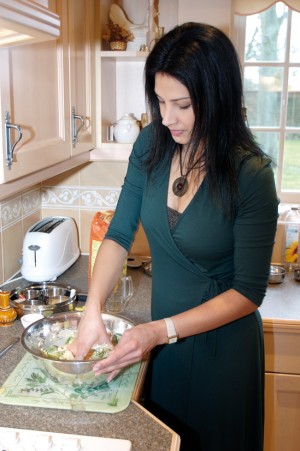
On this occasion, she also brought the ingredients for the demonstration dish: vegetable pakora.

I had always had the impression that Indian cookery was somewhat tricky, perhaps because of all the spices involved, but Anita assured me that many Indian dishes are really quite simple to create.

“In Indian restaurants, the food is often more elaborate, but in the home we tend to use just a few spices and blend them in different ways.

“We also tend to eat the food when it’s fresh, so there’s no need for preservatives.”

Anita began by chopping spinach, onions, potatoes and a few chillies for the pakora filling, as well as various spices, before adding water and gram flour – a nutritious flour made from ground pulses rather than wheat – to make a batter.

Gram flour is available from larger supermarkets, although Anita buys many of her vegetables and spices from Indian markets where they are more readily available.

She says she doesn’t usually use a recipe, preferring to rely on the look and feel of the food to check that it’s correct.

“I was taught to cook by my mother, and then when I left home I was influenced by other cultures as well, and learned to adapt some of the dishes – such as Indian pasta!” she recalls.

Back to the pakora… after making sure that the batter had a similar consistency to pancake mix, Anita gathered a handful of the mixture and carefully dropped it into the large pan of sunflower oil that had been heating on the stove.

Pakoras need to cook for five to ten minutes until golden, and are best eaten immediately, though they can be eaten cold later or reheated under a grill.

Now for the bit I’d been waiting for – the tasting. Having only tried pakoras in a restaurant, I was amazed by how much tastier Anita’s versions were; the various flavours were clearly discernible and the freshly-cooked taste made all the difference.

And the best thing of all is that I now know how to make them for myself – Anita’s expertise and friendly nature ensured that even a novice cook like myself could pick up the basics.

Anita’s courses run for eight weeks, with students learning from scratch, and she also offers one-off classes for more experienced cooks – these can be given as unusual gifts.

For a dinner party with a difference, Anita will hold a demonstration or workshop, giving guests the satisfaction of eating food they helped create. 

“If the host provides the ingredients, I would charge about £10 to £15 per head for a full meal,” she says. “It’s a really fun night and can work out cheaper than going out for a curry.”

Anita also offers a catering service, and works with a larger company for bigger occasions. “Indian weddings go on for several days, so that’s a lot of food.” she points out.

“There are pre-starters and even pre-pre-starters, food stalls, tropical fruit sculptures, the full monty.”

Whether you require catering on that scale or simply want an introduction to Indian cookery, there’s no doubt that Anita will pass on her passion for food as well a her culinary skills.

The Spice Trade
10 Westminster Close Bromsgrove
01527 873303
.(JavaScript must be enabled to view this email address)

Perfect partner to the pub

Interior

Sally Oldaker samples home cooking with a twist on a return visit to the Coach & Horses.

After discovering last year that the Coach & Horses is far more than just “a pub that does food”, I was more than happy to make a return visit and sample some more of the tasty home-cooked dishes on offer.

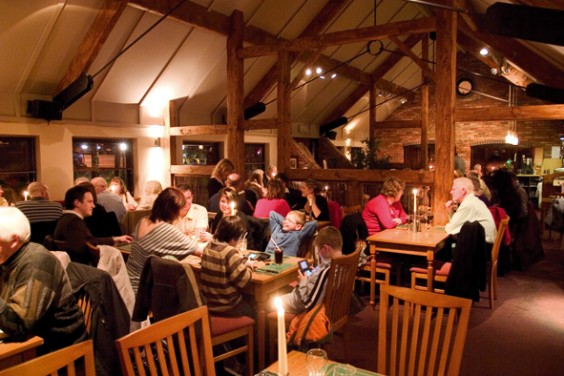
On a wet winter evening the warm glow from the cosy restaurant, adjoining the pub itself, conjures up images of a friendly atmosphere and a menu packed with good old British comfort food – and to a certain extent that’s what you’ll find inside, albeit with a rather more contemporary streak.

A recent refurbishment has seen the large room subtly sub-divided to create more of an air of intimacy, with the traditional, almost farmhouse-style decor cleverly incorporating woven wood screens to bring in a modern touch.

The menu does indeed feature plenty of classic, hearty favourites such as Prime Scampi, Gammon Steak and Lasagne Bolognese, as well as more unusual dishes like Spanish Chicken and Brie & Broccoli Pithivier.

Head chef James Francis, assisted by kitchen manager Lesley Summers, has also created a changing specials menu, with a selection of seasonal dishes accompanied by fresh vegetables of the day – this offers something a little bit different and allows regular customers to discover a new surprise on each visit.

Menu aside, one of the main attractions of the Coach & Horses has to be the choice of real ales – the four Weatheroak varieties plus at least six others –  and the ale-drinkers in our party kicked off the evening by sampling Hobson’s Town Crier and Weatheroak Ale.

(We later moved on to two of the other Weatheroak brews, Keystone Hops and Redwood – all met the usual high standard and were served at just the right temperature).

Back to the food – two of us asked for and received chunks of crusty bread in lieu of a starter, while the others ordered Portobello Mushroom and Soup of the Day respectively.

The large mushroom, one of two starters on the specials menu (the other was Deep Fried Breaded Brie with red onion marmalade) was stuffed full of bacon and Stilton and declared to be excellent, while the tomato soup – one of many home-made items on the regular menu – was thick and creamy with a freshly-made flavour.

The specials list also provided inspiration for the main course, with tempting dishes including Pork Belly with fig and leek filling, Fisherman’s Pie (featuring cod, salmon and prawns) and pan-fried Lamb Leg Steak with goats’ cheese sauce and crushed garlic roast potatoes.

No doubt due to the sheer number of diners packing the restaurant that night, the delicious-sounding half-roast duck with honey and orange glaze had run out, but two members of our group opted to try some specials.

The Chicken Torino featured tender breast in a mushroom, garlic and tomato sauce, topped with chunky tomatoes and olives to give a piquant Mediterranean flavour.

Having pinched a bit for myself, I would definitely choose this on another occasion.

Another companion chose Blade of Beef, which had been braised and pan-seared and was served with a red onion and Dijon cream sauce plus creamy horseradish mash – he reported that the mixture of flavours worked surprisingly well and the only problem was that the generous size of the portion meant he couldn’t finish it!

The same applied to my huge Shank of Lamb, which was rather a shame as the meat was cooked to perfection and the red wine sauce with rosemary, garlic and mint created a deliciously herby flavour.

I’d seen it on the menu before and wondered about choosing it, and I wasn’t disappointed (although on a personal note I could have done without so many different vegetables being served on the plate; the lamb needed no embellishment).

The fourth in the group chose Stuffed Peppers Ricardo from the vegetarian selection: another of the Mediterranean-style dishes on offer, bursting with vegetables, rice and herbs and topped with Parmesan.

What with the generosity of the portions there wasn’t a whole lot of room left for pudding, but a meal out isn’t a meal out unless you have dessert… and there were no fewer than three lists to choose from – the specials, the regular menu of home-made classics and a selection of ice-creams and sorbets.

The resident chocoholic went straight for the Hot Chocolate Fudge Sundae, which combined spongy brownie with ice-cream and gooey sauce, while another of us picked Raspberry Pancakes, an unusual dessert with thick sugar-topped crepes and plenty of real fruit.

Having loved the lemon sorbet with real pieces of lemon on my last visit, I chose it again, as did the final member of the party, and this time it was accompanied by a tangy raspberry version – ideal to round off a hearty dinner.

If the number of customers on the night we visited is anything to go by, the restaurant is clearly attracting plenty of diners – the home cooking and cosy atmosphere are the perfect partner for the unspoilt next-door pub.

Coach & Horses
Weatheroak
Reservations: 01564 823386
The road to recovery

Kath

ADVERTISEMENT FEATURE

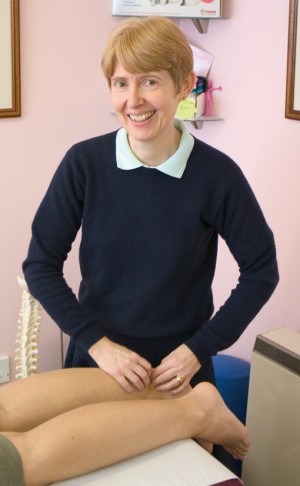
Barnt Green physio Kath Hamflett tackles some the myths about sporting injuries…

So, you ate too much at Christmas and your weight went up, and then you made the New Year’s resolution to join the gym and do more exercise. Now you’re nursing the sports or skiing injury.

Here are some of the myths dispelled.
 
Sports injuries are different from ordinary injuries, aren’t they?

It doesn’t matter if the injury occurs on the golf course, playing with the grandchildren or at home. There may be more force involved in a sports injury and it would be important to ascertain this in the history taking.

The main difference is psychological. The sports player wants to be better yesterday and if he is a professional then there will be a large financial loss if he doesn’t return quickly. It’s a real nuisance for us mere mortals to be injured, but we accept that the healing will take time and are not quite so impatient.

Where a physio can help is by doing a thorough assessment – the exact problem will be diagnosed and the treatment aimed specifically at the right structures, to give nature the optimal healing conditions. It’s a bit like being a body detective.

Pain is often referred to an area away from the seat of the injury or there may be a secondary problem due to altered biomechanics.

For example, most tennis elbow problems are actually referred from the neck, even when the neck is completely pain-free and has full range of movement.

Treatment to the elbow would be superfluous, whereas neck exercises could solve the problem quite quickly.

Sports injuries need sports massage
It might feel nice, but it’s unlikely to give more than temporary relief. What’s really important is stretching the injured structures and working through a programme of strengthening exercises, or the injury will keep recurring.

Rest – that’ll settle it, won’t it?
Rest is vital if there is inflammation but not all problems are inflamed. Relative rest is more often required, e.g. if you sprain your ankle and you can walk but not run, then complete rest is unnecessary.

If weight bearing is much too painful, then a pair of crutches would be useful. Just stopping doing sport because you’ve pulled a muscle is not the answer.

The longer you rest, the more the tissues tighten and the greater the chance of the injury recurring when you go back to the sport. You will actively need to sort the problem out.

Muscle strains are due to lack of stretching
Not always. Most muscle pulls are likely to have occurred because the body was dehydrated.

Alcohol, tea, coffee and fizzy drinks contain caffeine which is a diuretic – this means you could be peeing out more fluids than you take in and the circulatory system begins to struggle.

The body will safeguard the vital organs so you don’t die, but the skin and muscles are last in line and you are much more likely to pull a muscle. If you suffer from cramps, this could be a sign of dehydration.

So drink water regularly every day and not just when involved in sport. You never know when you’ll need to move quickly across the road because a car appears out of nowhere.

I’ve injured it once, so it’ll always be a weak point, won’t it?
Whatever tissue is damaged, the tissue the body lays down as a repair is scar tissue and this is not as strong as the original tissue – it can continue to tighten if not stretched out correctly. So yes, you may need to pay extra attention to stretching the area before sport.

The correct treatment early on could save a lot of trouble later. Most people assume that once the pain has gone it’s better.

If the muscle isn’t strengthened properly then it will fatigue more quickly and this could cause a recurrence. Balance work also needs to be retrained too.

Ankle sprains often lead to joint pain many years later because they were not dealt with properly at the time.

Won’t an injection sort it out?
Local injections of steroids are useful to calm down pain if caused by inflammation in an overuse injury. Then after a period of relative rest, exercises to strengthen are important, otherwise the injury will soon recur.

Again, proper diagnosis is the key. It’s no good injecting the elbow if the neck is the culprit.

So whether you’ve sprained it, pulled a muscle or don’t know why it started – why suffer when you don’t have to?

Once a diagnosis has been made, it may not take many sessions (and a bit of exercising from you) to help put you on the road to recovery and prevent the same thing from happening again. 

Call Kath Hamflett on: 0121 445 3949.

A magical exchange

0

Laura and Richard

ADVERTISEMENT FEATURE

February 2007 will see Barnt Green become home to a new children’s day nursery.

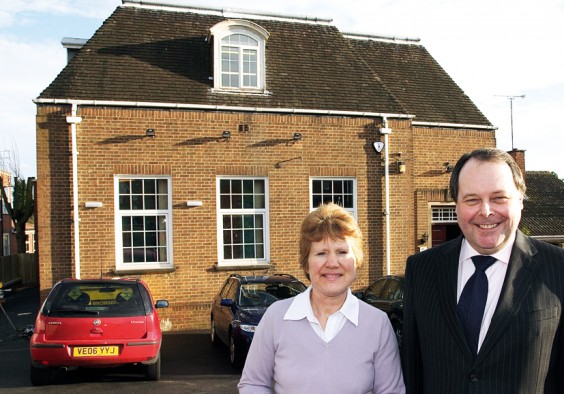
Magic Moments is very much a family run affair. Richard and Laura Barrett (above), from Evesham, have taken on the project and will be joined by their daughters Sarah and Siobhan – both qualified nursery nurses with experience in running baby and toddler rooms.

The team will be led by Nursery Manager Gemma Richards who brings with her nine years of working in childcare with three years in nursery management.

Next door to St Andrew’s C of E School, many will know the building as the former telephone exchange – so Richard, who worked for BT for 30 years before taking on this project, should feel quite at home. 

The creative use of space in the conversion has resulted in large, bright rooms ideal for the nursery setting.

As well as the day rooms, the nursery boasts a separate dining area, which will bring all the children together to eat (great for siblings), an indoor play area in addition to outdoor play and a sensory room, which will be used in one to one and small group sessions.

Places will be available for up to 40 children between the ages of three months to school age and will offer different kinds of care between the hours of 7.30am to 6.00pm, 51 weeks of the year.

Anyone interested in a possible place for their child can contact Richard and Laura on 0121 445 6708. They would be only too pleased to show you their new baby – the nursery! 

Our wheely good year

Cyclists battle the elements

Deb Weston, the founder of an all-female cycling club, reports on their first 12 months.

You may remember reading an article in The Village this time last year, introducing a new Ladies’ Cycling Group that was to meet twice weekly at Hopwood Playing Fields.

Three cheery women posed for a photograph and an appeal was made for others to join us in our quest for fitness and friendship.

What was to transpire proved far beyond our expectations. The initial response was good and our numbers more than doubled, while steady interest meant that we had more than a dozen members by summer.

It was proposed that we would organise a group for novice ladies or those returning to cycling on a Tuesday, while the Wednesday rides were suitable for more experienced riders seeking a faster, longer ride.

Our affiliation to the Cyclists’ Touring Club provided us with the necessary insurance and know-how and we were soon in full swing.

The intention from the very beginning was that no one be excluded, regardless of their age or ability, and that arrangements would always fit in with the school run.

We aimed to always ride at the pace of the slowest rider; therefore the destination would be determined by who attended each ride. Being more of a social group, it was never a problem if we had to take more coffee stops to allow new recruits extra recovery time.

A year on and our intentions are still the same – however, our initial recruits are not.

Rides began with routes of 10-15 miles on a Tuesday and 25-30 miles on a Wednesday, and although it is difficult to do much more than this with our restricted times and differing abilities, all ladies have taken part in and completed day rides of 60-100 miles during the weekends or school holidays.

Our adventures have taken us far and wide with trips to Stratford, Evesham, Warwick and further afield to Cotswold destinations such as Chipping Campden and Broadway.

Other day rides have started with transporting the bikes a few miles to enable us to tour further into the Cotswolds and around the Malverns.

We have shared YHA weekends with husbands/partners and children in tow to Stow-on-the-Wold and across the famous “coast to coast” route from Workington to Sunderland.

As far as cycling clubs go, we understand that our distances and speed do not really measure up to those of the professional clubs; our pace is probably a little less than a touring pace and I know that we have more coffee and cake stops than other groups.

Our clothing isn’t the usual flash lycra and all our bikes have racks to carry our bags just in case we pass any nice markets or garden centres and feel the urge to shop.

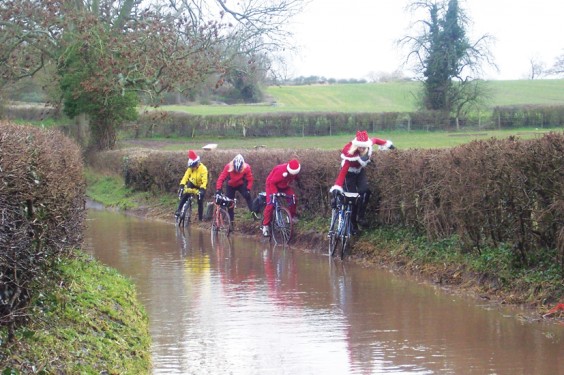
We have been seen riding out in the darkness of the early mornings or late evenings while trying to fit extra cycling time around our families, and during the festive season we could be spotted spreading Christmas cheer locally, pedalling our tinsel-trimmed bicycles and wearing our seasonal outfits.

Our daytime hours are spent ambling along the country lanes having a chat and offering encouragement to each other, and we always depart feeling pleased with our achievements and looking forward to our next adventure – be it the following weekly ride or a weekend trip that enables us to stretch personal goals.

Our second year will commence with an anniversary ride and will lead us to our Easter trip cycling the Devon Coast to Coast (102 miles from Ilfracombe to Plymouth).

This will be followed during early summer by the Welsh Dragon Challenge (254 miles from Holyhead to Cardiff or Chepstow). This is the hardest of all National Cycle Network routes.

All other rides will continue as normal, with the inclusion of weekend rides for newcomers according to demand.

If you feel you would like to join the fun, please call Deb on 0121 477 5080 or 07738 982161, or email .(JavaScript must be enabled to view this email address). 

MEETING TIMES

Hopwood Playing Fields are located at Hopwood Community Centre on the A441.

Tuesdays:
11.30am – 3pm
10–20 miles

Wednesdays:
9.30am – 3pm
30–40 miles

If you have children to drop off or are short of time then bring your bike to the start point on or in the car.

Festive fun at Fayre

Carol singers

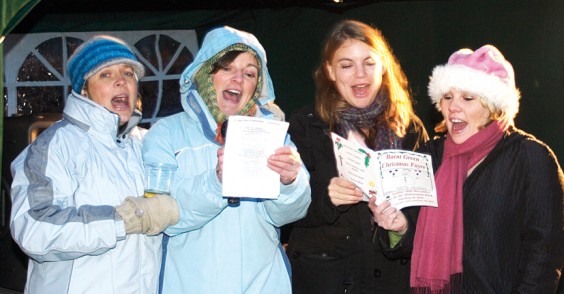
Carol singers add to the festive spirit at the first Barnt Green Christmas Fayre organised by traders on what turned out to be a very cold and wet Sunday afternoon – but one that was still enjoyed by many villagers.