
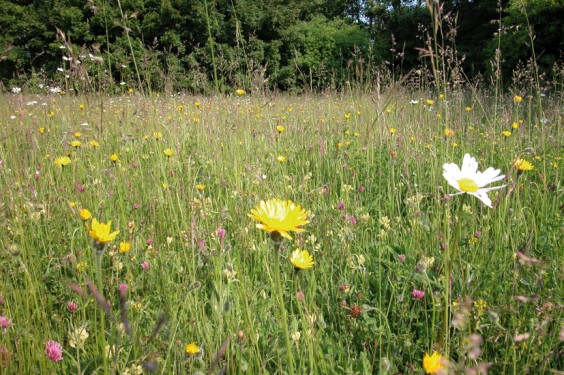
Hannah Genders offers ideas on how to bring the meadow into your garden.
We live in one of the most beautiful counties in England. Worcestershire has its own special character, both in the landscape around us and the diversity of species in its natural plants and wildlife – it’s something for us to enjoy and celebrate.
When I am designing gardens I am always keen to incorporate features and planting that reflect the special nature of the surrounding landscape.
What makes Worcestershire special? One of the main things is our rich heritage of wildflower meadows; these old hay meadows have been unploughed for hundreds of years and so now contain an incredible range of different plant species.
I read somewhere that Worcestershire has more of these meadows than any other county – something to be really proud of.
In our area many of these meadows have been bought by the Worcestershire Wildlife Trust to protect them and ensure their survival for future generations to enjoy.
One of my favourites is Eades meadow near Hanbury – in the month of May the whole field is awash with early purple orchids and the colour is absolutely breathtaking.
To translate this into a garden I would always try creating a wildflower meadow in a larger garden, rather than just laying the whole area to amenity turf.
Once established, a meadow is actually easier to keep than lawn and gives you the stunning display of flowers in early summer.
Worcestershire is also known for its history of fruit growing; we have many heritage varieties of fruit cultivated and grown in this area for hundreds of years.
I have had the privilege of working with one of the top nurseries in the UK, which specialises in these old varieties and has saved many from extinction.
The Black Pear on the county’s coat of arms is one example: a cooking pear with a very dark, purple skin, dating back to the 16th century. Plant one of these in your garden and you really are planting a piece of local history.
The other distinct advantage of planting heritage fruit, aside from ensuring its survival, is the taste. England was renowned for its apples and pears in the past – because of our high rainfall we were able to produce fruit with amazing taste.
The Worcester Permain apple is an excellent variety, with its little red apples that have a sweet strawberry flavour.
The other beautiful feature of the Worcestershire countryside is the native woodlands. Many of these are oak woods and some of them are ancient – an ancient woodland by definition is an area that has been continuously wooded since 1600 AD.
The Domesday Book of 1086 records Worcestershire as having more than 40 per cent of its area covered by woodland. We tend to think of these beautiful woods as being untouched by people, but in truth they have been managed to provide woodland products for hundreds of years.
A good example of this ancient woodland is Peck Wood in Rowney Green – although now privately owned by the Methodist church and available to youth groups for rent, the owners very kindly open the wood to the public at bluebell time each year.
I confess I try to go every day as the sight and smell of a native bluebell wood is fabulous; these sites need supporting to make sure they are there for the next generation and to help combat climate change.
There are two main ways to support these local woodlands through garden design: encouraging clients to plant up new woodlands with native species and specifying the use of local green oak for pergolas and fencing.
I also try to use coppiced hazel and willow where appropriate.
It also means that the character of the garden fits within its surrounding landscape, with the aim of creating a garden that is both beautiful and sustainable.
